




Quick Info — Echo Valley to Bokong Falls
| Location | Sagada, Mountain Province, Philippines |
|---|---|
| Best time to visit | Dry season, November–May; mornings for clearer light in the valley |
| Duration | Half to full day; pair with Sumaguing Cave |
| Difficulty | Easy to moderate with some steep valley descents |
| Getting there | Bus/van to Sagada, then local guide or walk from town |
| Fees | Registration plus municipal fee; guide required |
| What to bring | Walking shoes, rain jacket, water, headlamp if continuing to cave, cash |
The trail covers approximately 4 kilometers of varied terrain, including limestone cliffs, forest paths, and river crossings. While considered moderate difficulty, the route requires basic fitness and proper preparation. This complete guide covers everything you need to know for a safe and memorable experience.
For comprehensive trail information and reviews, check out AllTrails’ Sagada hiking trails for detailed maps and hiker feedback.
Table of Contents
What to Expect on the Echo Valley to Bokong Falls Trail
This trail isn’t just a hike – it’s a cultural and natural immersion through Sagada’s most treasured sites. You’ll start at the sacred hanging coffins, descend through an atmospheric underground river cave, navigate stream crossings, and finish with a refreshing swim at Bokong Falls.
The entire journey takes 3-4 hours depending on your pace and how long you spend at each location. Most hikers find the combination of cultural significance and natural beauty makes this one of Sagada’s most rewarding adventures.
Weather conditions significantly impact the experience. During dry season (November-April), you’ll enjoy clear views and safer stream crossings. Wet season brings lush scenery but requires extra caution on slippery rocks and potential cave flooding.
Learn more about Sagada’s top tourist attractions to plan your complete itinerary.
Starting Point: Getting to Echo Valley
Church of Saint Mary the Virgin Trail Access
Your adventure begins at the Church of Saint Mary the Virgin, Sagada’s main Episcopalian church located in the town center. From here, walk through the hillside cemetery to reach the Echo Valley viewpoint trail. The cemetery path takes about 10 minutes and offers glimpses of traditional Igorot burial practices alongside more modern graves.
The trail is well-marked but can be confusing for first-time visitors. Look for the path that leads downhill from the cemetery’s far end. Local children often offer to guide visitors for a small tip, though it’s not necessary if you follow the main trail.
Echo Valley Viewpoint Experience
At the viewpoint, you’ll see limestone cliffs adorned with hanging coffins stretching across the valley. Echo Valley earned its name from the natural acoustics – sounds bounce dramatically off the cliff walls. However, locals ask visitors to remain respectful and quiet due to the sacred burial sites nearby.
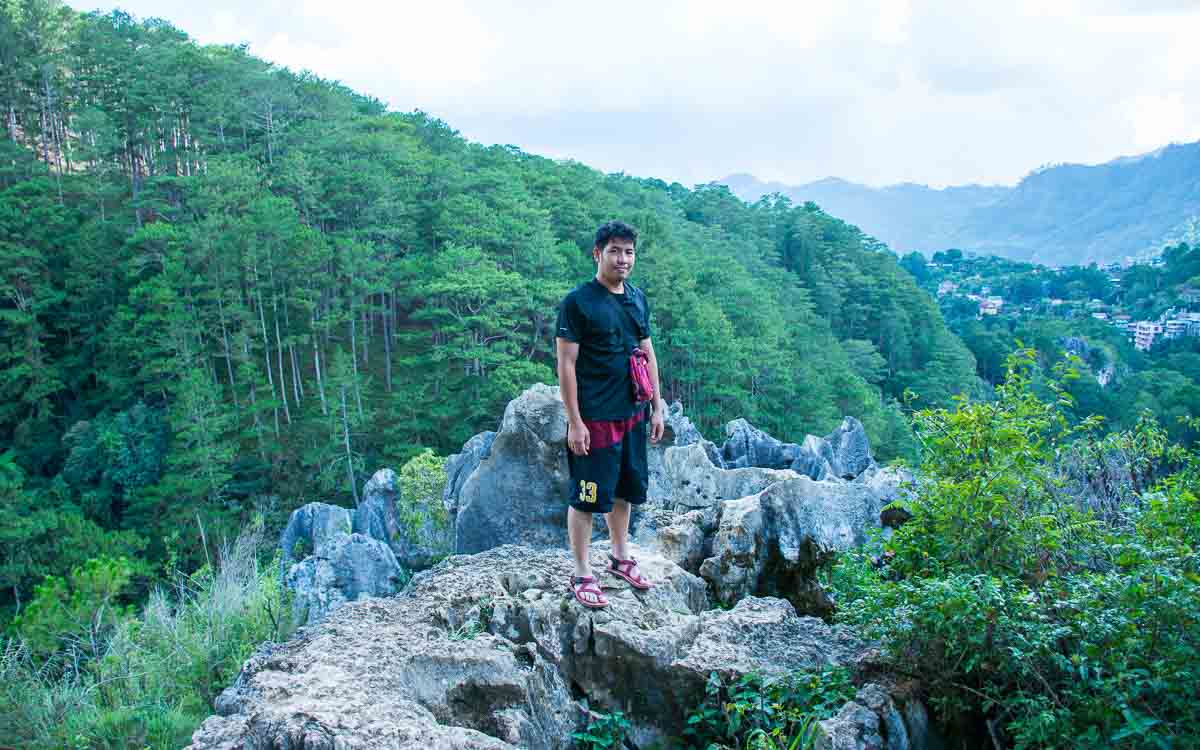
The viewpoint offers the best panoramic photography opportunities of the hanging coffins. Early morning light (7-9 AM) creates stunning contrast against the limestone cliffs, while late afternoon provides warmer tones for dramatic shots.
Pro tip: Visit early morning for the best lighting and fewer crowds. The viewpoint can get busy with tour groups between 10 AM and 2 PM.
The Famous Hanging Coffins of Sagada
Understanding the Igorot Burial Tradition
The Igorot tribes have practiced cliff burials for over 2,000 years, believing “the higher the coffin, the closer to heaven.” These wooden coffins are positioned on cliff faces using traditional methods that showcase remarkable engineering skills passed down through generations.
Only elderly community members who die of natural causes receive hanging coffin burials. The deceased must have grandchildren and be considered worthy of this honor. This tradition continues today, making the hanging coffins not just historical artifacts but living cultural practices.
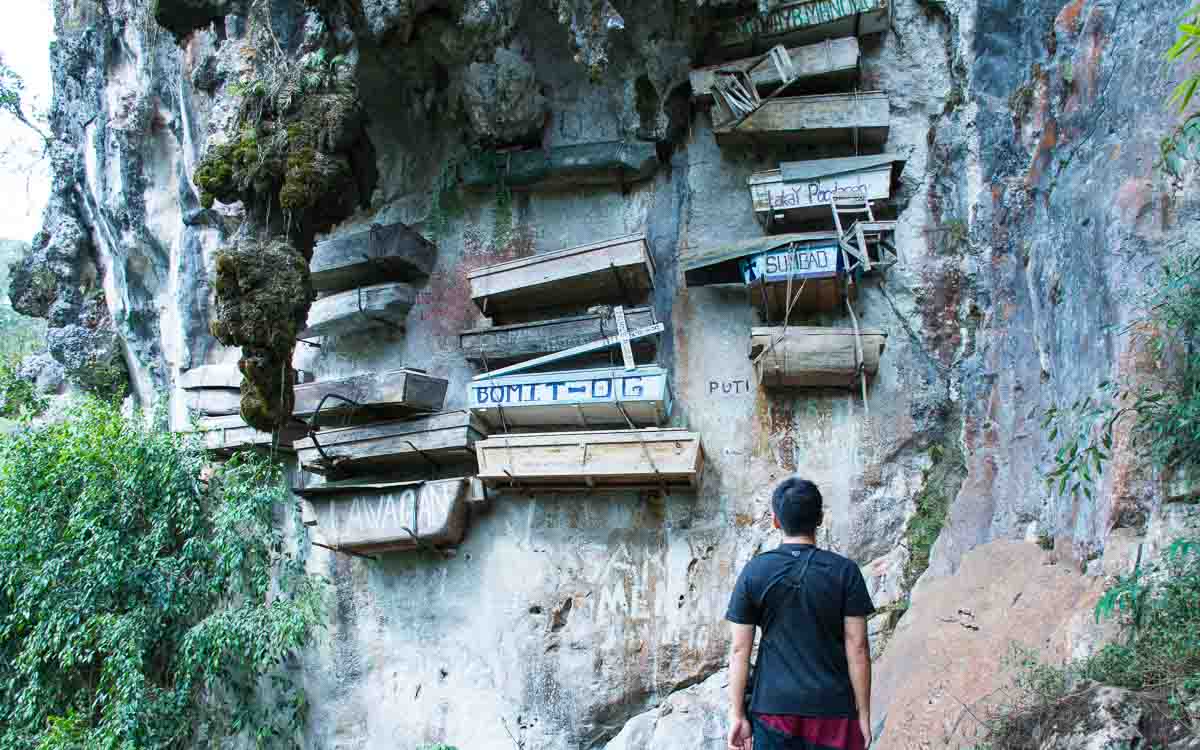
When viewing the hanging coffins, maintain respectful distance and never touch or disturb any artifacts you encounter. Some visitors report finding bones or burial items along the trails – these should never be disturbed or removed. This sacred site represents living cultural heritage that deserves utmost respect.
The craftsmanship of these coffins reflects traditional woodworking skills. Made from local pine wood, they’re carved to fit the deceased person’s exact measurements. The placement process involves complex rope and pulley systems that demonstrate sophisticated engineering knowledge.
For deeper understanding of Mountain Province’s cultural heritage, visit the official provincial tourism website.
Underground River Cave Adventure
Essential Equipment and Safety
After exploring the hanging coffins, the trail descends to Sagada’s underground river cave. This 15-20 minute cave section requires headlamps or flashlights – darkness is complete inside, and phone flashlights aren’t sufficient for safe navigation.
Required gear:
- Waterproof headlamp or flashlight
- Spare batteries
- Quick-dry clothing
- Non-slip water shoes
- Waterproof bag for electronics
Cave Features and Navigation
Inside the cave, you’ll find limestone formations similar to those in the famous Sagada Cave Connection, with stalactites, stalagmites, and flowstone formations created over millions of years. The underground river flows year-round, creating a cool, mystical atmosphere enhanced by the sound of flowing water echoing through chambers.
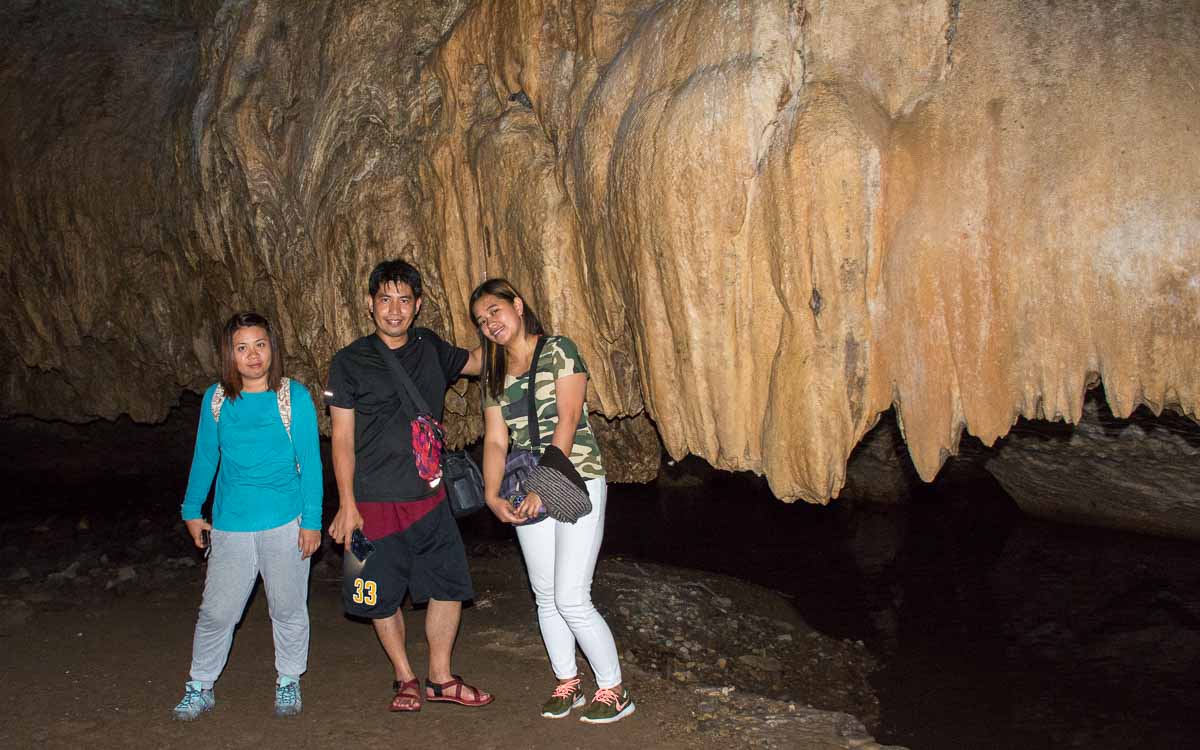
Stone stacking by previous hikers has become a tradition, adding to the cave’s spiritual ambiance. While not originally part of local culture, these cairns now serve as informal trail markers for other hikers.
The cave maintains a constant temperature around 18-20°C (64-68°F), providing relief from Sagada’s variable weather. Water levels vary seasonally but rarely exceed knee-deep in the walking sections.
Safety warning: Never enter during heavy rain due to flash flood risks. Local guides monitor weather conditions and will postpone cave sections if storms threaten.
River Trekking to Bokong Falls
Stream Crossing Techniques
Beyond the cave, follow the stream along a dirt path past the steel railing. This section involves multiple stream crossings over slippery rocks covered in algae and moss. Proper footwear makes the difference between an enjoyable hike and a dangerous slip.
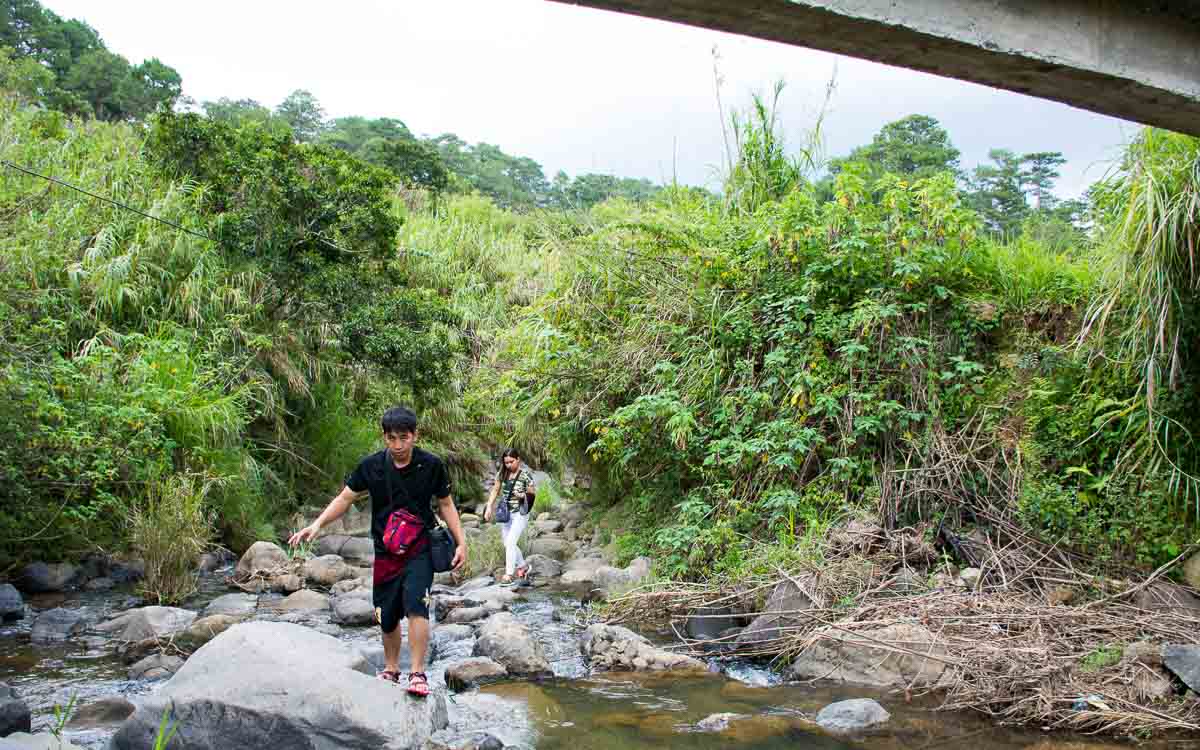
Stream crossing tips:
- Test each rock before putting full weight down
- Use trekking poles if available for stability
- Cross during low water conditions when possible
- Wear grip-sole water shoes or river sandals
- Take your time – rushing leads to falls
The stream crossings become more frequent as you approach Bokong Falls, with some requiring careful boulder hopping. During rainy season, water levels can rise quickly, making crossings more challenging and potentially dangerous.
Trail Conditions and Landmarks
The trail alternates between forest paths and open stream beds. Key landmarks include a large boulder formation about halfway to the falls, and a distinctive bend in the stream where you’ll hear Bokong Falls before seeing it.
Vegetation changes noticeably as you descend, with lush ferns and moss covering rocks near the water. This microclimate supports unique plant species adapted to the constant moisture from the stream spray.
Bokong Falls: Your Final Destination
The “Small Falls” Experience
Bokong Falls features two cascading tiers flowing into a deep swimming pool surrounded by moss-covered rocks and lush vegetation. While smaller than the famous Bomod-ok Falls, Bokong offers warmer water and easier access for swimming, making it perfect for cooling off after the 3-hour hike.
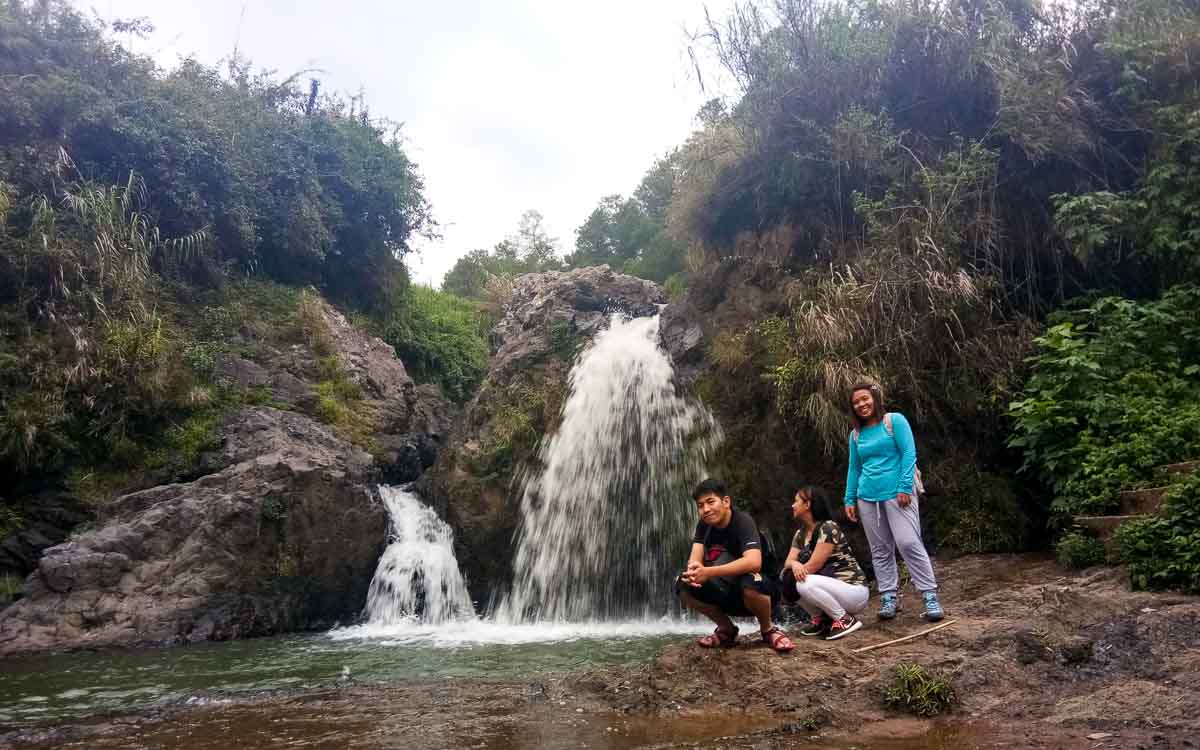
The falls drop approximately 15 meters in two distinct tiers, creating a natural amphitheater effect with excellent acoustics. The sound of cascading water provides a peaceful soundtrack for rest and reflection after your adventure.
Swimming and Safety Guidelines
The water temperature stays cool year-round but feels refreshing after the hike. The swimming pool varies from 3-8 feet deep, with the deepest sections near the base of the falls. Rocky edges require careful entry and exit to avoid slips.
Swimming safety:
- Test water depth before jumping or diving
- Never dive headfirst into unknown depths
- Swim with a buddy for safety
- Check for strong currents near the falls base
- Be cautious of slippery rocks when entering/exiting
The pool’s depth changes seasonally – deeper during rainy season, shallower during dry months. Local swimmers often demonstrate safe jumping spots, but visitors should assess their own swimming abilities honestly.
Essential Planning Information
Guide Requirements and Costs
While experienced hikers can navigate independently, hiring a local guide enhances safety and cultural understanding. Guides provide valuable insights about Igorot traditions, plant identification, and current trail conditions that you’d miss hiking alone.
Guide fees typically cost ?1,000 for groups of 10 visitors or less for the complete Echo Valley adventure trail. This includes guidance through all sections plus cultural interpretation at the hanging coffins.
Contact the Sagada Genuine Guides Association (SAGGAS) for certified guides who know current trail conditions and weather updates. They’re trained in first aid and emergency procedures, adding an important safety layer to your adventure.
Best Time to Visit
Dry season (November-April): Ideal hiking conditions with clear skies, minimal rainfall, and safer stream crossings. Temperatures range from 15-25°C (59-77°F) during the day.
Wet season (May-October): Lush scenery and fuller waterfalls, but slippery trails and cave flooding risks. Rain can start suddenly, making preparation crucial.
Morning departures (7-8 AM) provide cooler temperatures, better photography lighting, and help you avoid afternoon crowds at popular viewpoints.
What to Bring
Essential items:
- 2-3 liters of water per person
- Energy snacks and packed lunch
- First aid kit with bandages and antiseptic
- Waterproof phone case
- Complete change of clothes
- Quick-dry towel for swimming
- Plastic bags for wet clothes
- Insect repellent
Optional but recommended:
- Trekking poles for stream crossings
- Waterproof camera
- Extra batteries for headlamp
- Light rain jacket
Connecting Your Sagada Adventure
Combine your Echo Valley to Bokong Falls hike with other Sagada highlights for a complete Mountain Province experience. Consider challenging yourself with Kamanbaneng Peak and Kaman-Utek Hills for panoramic mountain views and sunrise photography opportunities.
Cultural enthusiasts shouldn’t miss visiting the traditional tattoo artists in Buscalan, where Whang-od and her apprentices continue the ancient art of hand-tapped tattoos. This UNESCO-recognized cultural treasure adds meaningful depth to your Mountain Province journey.
Many visitors create 3-4 day itineraries combining underground adventures, mountain peaks, and cultural experiences. This approach provides time to appreciate each location without rushing, while supporting local communities through extended stays.
Environmental Responsibility
Practice Leave No Trace principles throughout your hike. Pack out all trash, including organic waste like fruit peels that don’t belong in this ecosystem. Stay on designated trails to prevent erosion and protect fragile vegetation.
Respect local customs around sacred sites, especially the hanging coffins. Photography is generally permitted, but ask guides about any restrictions and never use flash photography near burial sites.
Your responsible behavior helps preserve these natural wonders for future generations while supporting sustainable tourism that benefits local communities. Consider bringing extra trash bags to pack out litter left by less conscientious visitors.
Transportation and Logistics
Getting to Sagada requires planning, as public transport options are limited. Most visitors arrive via bus from Manila (12-14 hours) or Baguio (5-6 hours). Private van rentals offer more flexibility but cost significantly more.
Within Sagada, the Echo Valley trailhead is walking distance from most accommodations in the town center. Jeepneys and tricycles are available for those staying further out, though most guesthouses are within 10 minutes’ walk of the church starting point.
Book accommodations in advance during peak season (December-February and Holy Week). Popular guesthouses fill quickly, and last-minute arrivals may find limited options.
For official travel information and requirements, visit the Philippines Department of Tourism website for the latest updates.
Local Community and Cultural Sensitivity
Sagada’s tourism success directly benefits local communities through guide services, accommodation, and restaurant businesses. Choosing local guides, eating at family-run restaurants, and buying handicrafts from artisans ensures your tourism spending supports residents directly.
Learn basic greetings in the local language – “Kumusta” (How are you?) and “Salamat” (Thank you) go a long way in showing respect. Understanding that hanging coffins represent living religious practices, not tourist attractions, helps maintain appropriate reverence.
Many locals speak excellent English and enjoy sharing stories about their culture and traditions. Don’t hesitate to ask respectful questions about local customs, history, and daily life in this unique mountain community.
Learn more about Mountain Province’s indigenous culture and the diverse communities that call this region home.
Frequently Asked Questions
How long does the Echo Valley to Bokong Falls hike take?
The complete trail takes 3-4 hours including stops at hanging coffins, underground river cave, and swimming time at Bokong Falls. Allow extra time for photography and cultural exploration.
Do I need a guide for the Echo Valley to Bokong Falls trail?
While not mandatory, hiring a local guide is highly recommended for safety, cultural insights, and navigation assistance, especially through the underground river section where trails can be confusing.
What’s the difficulty level of this hiking trail?
The trail is rated moderate difficulty with some challenging sections including cave navigation, stream crossings, and rocky terrain requiring basic fitness. Previous hiking experience helps but isn’t essential.
Can I swim at Bokong Falls?
Yes, Bokong Falls has a natural swimming pool perfect for cooling off after the hike. Only confident swimmers should enter the deeper areas near the falls base. Water temperature remains cool year-round.
What should I bring for the underground river cave section?
Essential items include waterproof headlamp or flashlight, spare batteries, and non-slip water shoes. The cave is completely dark inside, making proper lighting crucial for safety.
When is the best time to hike from Echo Valley to Bokong Falls?
November to April offers ideal conditions with minimal rainfall and safer stream crossings. Start early morning (7-8 AM) for cooler temperatures, better lighting, and fewer crowds.
How much does it cost to hire a guide in Sagada?
Guide fees typically cost ?1,000 for groups of 10 people or less for the complete Echo Valley adventure trail. This includes cultural interpretation and safety guidance throughout the journey.
Is the trail safe during rainy season?
The trail becomes more challenging during wet season (May-October) due to slippery rocks and potential cave flooding. Check weather conditions before hiking and consider postponing during heavy rain warnings.
Can I do this hike if I’m not an experienced hiker?
Yes, but basic fitness is required for the 3-4 hour journey with some challenging sections. Take your time, bring proper equipment, and consider hiring a guide for additional safety and support.
Are there restaurants or stores along the trail?
No facilities exist along the trail route. Bring sufficient water, snacks, and a packed lunch. The nearest restaurants and stores are back in Sagada town center.
If you are building an itinerary across the region, this destination pairs naturally with Mount Batur Sunrise Hike
Mount Pulag
Sagada Cave
Mount Daraitan.
Ang ganda nag mga pics kaya tuloy naiinggit ako kasi hanggang ngayon di pa rin ako naliligaw sa Sagada. Ang tagal na niya na nasa bucketlist ko.
Thanks. Hope you can visit it in the future.