




Quick Info — Ubud Bali
| Location | Ubud, Gianyar, Bali, Indonesia |
|---|---|
| Best time to visit | Dry season, April–October; mornings for temple ceremonies and fewer crowds |
| Duration | 2–4 days in Ubud |
| Difficulty | Easy to moderate |
| Getting there | DPS airport to Ubud by car ~1–1.5 hours |
| Fees | Temple offerings, dance shows, workshops, and spa treatments add up |
| What to bring | Cover-up for temples, insect repellent, reusable water bottle, sun protection, cash for local markets |
Whether you’re seeking adrenaline-pumping swings high above jungle canopies, peaceful moments at sacred water temples, or breathtaking waterfall encounters, Ubud delivers authentic Balinese experiences. This comprehensive 2025 guide reveals the best attractions, hidden gems, and insider tips to help you make the most of your Ubud adventure. We’ll cover everything from practical visit times to cultural etiquette, ensuring your journey through Bali’s cultural heartland is both memorable and respectful.
During our recent exploration of this magical destination, we discovered that Ubud offers something special for every type of traveler. Adventure seekers can combine their temple visits with an unforgettable sunrise experience at nearby volcanic peaks, while nature lovers will find tranquil moments that rival the serene mountain experiences in Bali’s highland regions.
Table of Contents
Planning Your Ubud Adventure: Essential Information
The optimal time to explore Ubud’s attractions is during the dry season (April to September), when clear skies provide perfect conditions for photography and outdoor activities. For specific attractions, early morning visits between 8-10 AM help you avoid crowds and capture the best lighting for those Instagram-worthy shots. The rice terraces are most photogenic between April and August when they’re lush and green, creating that postcard-perfect scenery you’ve seen online.
Getting Around Ubud
Most attractions are within a 30-minute drive from Ubud center, making day trips manageable and efficient. Private drivers offer the most flexibility for visiting multiple sites, especially when you want to customize your itinerary based on weather conditions or personal interests. Scooter rentals provide independence for adventurous travelers comfortable with Indonesian traffic patterns, though we recommend this option only for experienced riders.
Many attractions don’t have reliable public transportation access, making organized tours or private transport essential for efficient sightseeing. Book convenient transportation and skip-the-line access through trusted tour operators to maximize your time at each attraction without the stress of navigation or parking.
Budget Planning
Most temple entrances cost between $1-3 USD, while rice terraces charge 10,000-15,000 Indonesian Rupiah per person. Activity parks like the famous swings have package pricing starting around $15 USD, with photography services available for additional fees.
Soar Above Paradise: Aloha Ubud Swing Adventure
Why Visit: Experience Bali’s famous jungle swings with spectacular rice terrace views that have made this one of the most photographed attractions in Southeast Asia.
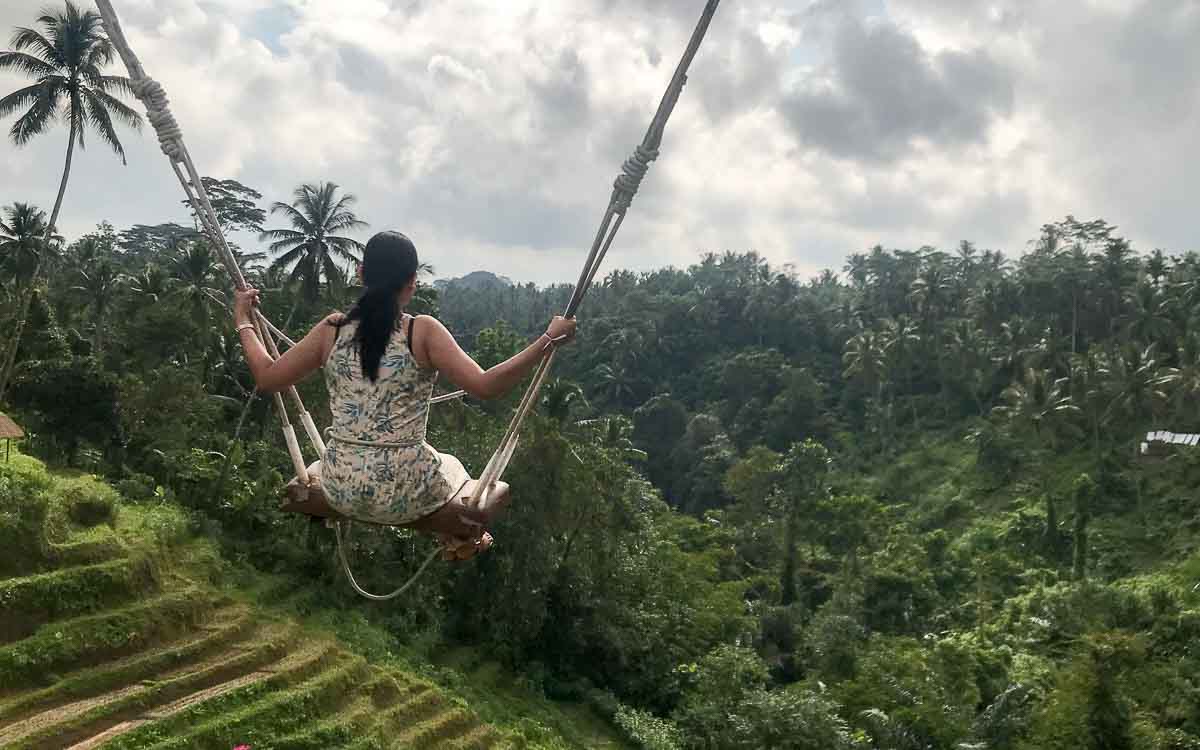
The Aloha Ubud Swing complex offers more than just Instagram-worthy photos. Located in the heart of the Tegallalang area, this adventure park features five different swing heights (5, 10, and 15 meters), each providing unique perspectives of the surrounding rice fields and jungle landscapes. What sets this location apart from other swing attractions across Bali is the combination of professional safety standards with authentic Balinese hospitality.
What to Expect:
- Multiple swing options including couple swings for romantic photos
- Professional photography services with drone capabilities
- Safety briefings and high-quality equipment provided by trained staff
- Bird nest photo spots and elevated viewing platforms
- Traditional Balinese welcome ceremonies with “ALOHA” greetings
The friendly Balinese staff create an atmosphere of warmth and excitement that enhances the entire experience. They understand that many visitors are nervous about the height and take extra care to ensure everyone feels comfortable and safe before taking their turn on the swings.
Practical Tips:
- Best Visit Time: 9-11 AM to avoid crowds and harsh midday lighting
- What to Bring: Towel, sunscreen, comfortable clothing, local currency (rupiah)
- Photography: Use your own devices for unlimited shots, or hire on-site photographers for professional quality
- Safety: Complete waiver forms before activities and follow all staff instructions
The safety measures here exceed many similar attractions across Bali, with regular equipment inspections and trained staff who prioritize visitor safety while ensuring maximum enjoyment. Consider this a must-do activity if you’re looking to capture that perfect aerial shot of Bali’s stunning landscapes.
Tegallalang Rice Terraces: Bali’s Most Photographed Landscapes
Why Visit: Witness traditional Balinese agriculture in stunning terraced formations that represent over 1,000 years of sustainable farming practices.
The Tegallalang Rice Terraces represent one of Bali’s most iconic landscapes, featuring centuries-old subak irrigation systems that continue to support local farming communities. These emerald-green terraces create a mesmerizing stairway effect down the hillsides, offering countless photography opportunities and insights into traditional Indonesian agriculture.
What makes these terraces truly special is their living, working nature. Unlike some tourist attractions that preserve historical sites as museums, Tegallalang remains an active farming area where local families continue cultivating rice using traditional methods passed down through generations. The terraces reminded us of similar formations we’ve seen worldwide, including the Philippines’ famous Banaue Rice Terraces, showcasing the universal ingenuity of mountain agriculture.
What Makes Them Special:
- Traditional irrigation methods still actively used by local farmers
- Best viewed during growing season (April-August) for maximum greenery
- Multiple viewing points and walking trails for different perspectives
- Supporting local farming communities through entrance fees and purchases
- UNESCO-recognized traditional irrigation systems
The subak system represents a perfect example of sustainable agriculture, where water management, religious ceremonies, and community cooperation work together to maintain productive farmland. Visitors can observe this ancient system in action while enjoying some of the most beautiful rural scenery in Southeast Asia.
Visiting Tips:
- Opening Hours: 24/7 access, but optimal lighting occurs 8-11 AM
- Entrance Fee: Varies by entrance point (typically 10,000-15,000 IDR)
- Photography: Bring wide-angle lens for panoramic shots and respect photography guidelines
- Cultural Respect: Stay on designated paths to protect actively growing crops
- Local Support: Purchase refreshments from local vendors to support the community
The viewing experience varies significantly depending on the season and time of day. During our visit, we found that early morning light creates the most dramatic shadows and highlights across the terraced landscape, while late afternoon provides golden hour lighting that’s perfect for romantic photography.
Goa Gajah (Elephant Cave): Ancient Mysteries Unveiled
Why Visit: Explore Bali’s most significant archaeological site with over 1,000 years of history, representing the unique fusion of Hindu and Buddhist traditions.
Goa Gajah, literally meaning “Elephant Cave,” stands as one of Bali’s most important historical and spiritual sites. Dating back to the 11th century, this ancient complex served both Hindu and Buddhist communities, creating a unique interfaith sanctuary that continues to fascinate archaeologists and spiritual seekers from around the world.
Historical Significance:
- 11th-century archaeological masterpiece with ongoing research discoveries
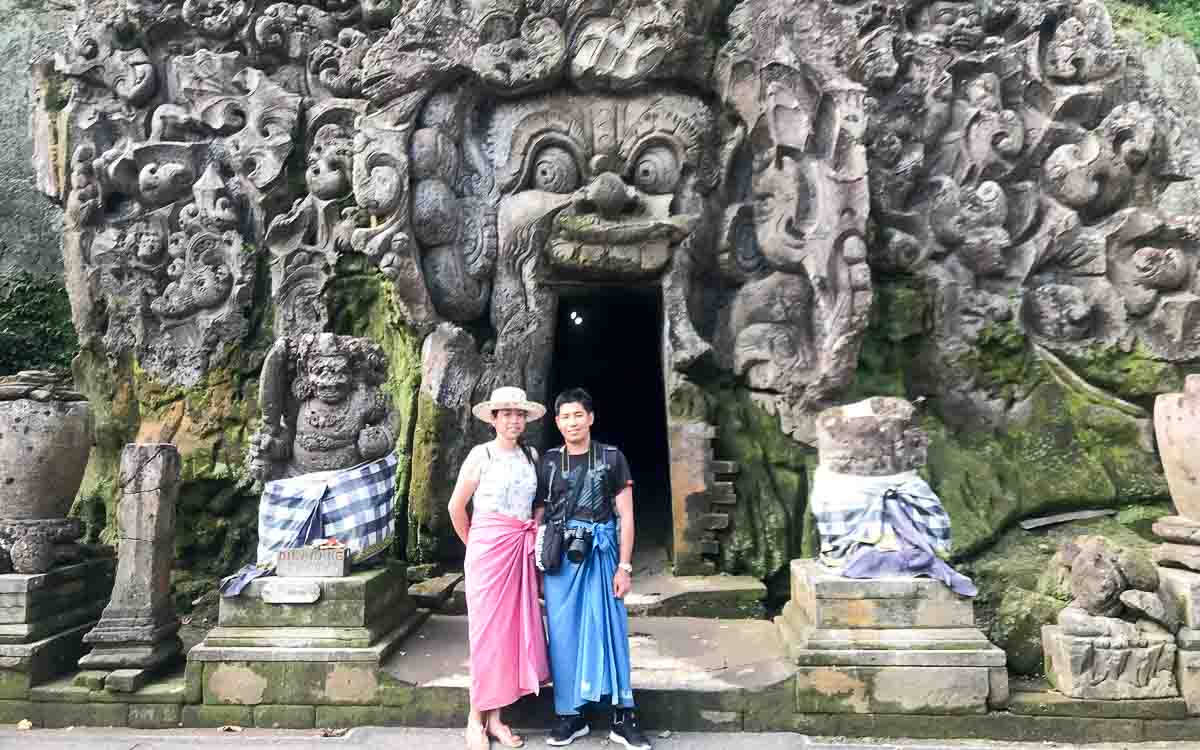
- Features intricate stone carvings depicting mythological creatures and deities
- Demon face entrance specifically designed to ward off evil spirits
- T-shaped prayer chamber with meditation alcoves carved directly into rock
What You’ll Experience:
- Kalamakara and Dwarpala statues representing protective deities
- Ancient bathing complex with holy springs and ceremonial pools
- Stone carvings depicting elephants and Hindu deities throughout the complex
- Meditation chambers carved into rock faces where monks once practiced
- Archaeological ongoing discoveries that continue revealing new aspects of the site
The site’s spiritual significance continues today, with visitors often taking blessed water from the sacred pools for personal purification rituals. According to Indonesia’s Ministry of Tourism, Goa Gajah represents one of the finest examples of ancient Balinese temple architecture and religious art.
Visitor Information:
- Location: Pejeng Kawan, Tampaksiring, Gianyar (15 minutes from central Ubud)
- Hours: 8 AM – 4 PM daily, with guided tours available
- Entrance Fee: Approximately $1.20 USD for international visitors
- Dress Code: Sarongs and temple scarves required (provided free at entrance)
- Cultural Guidelines: Remove shoes before entering sacred areas, maintain quiet respect
The experience of stepping through the demon-faced entrance into the cool, carved chambers provides a tangible connection to Bali’s ancient spiritual traditions. We found that hiring a local guide significantly enhanced our understanding of the complex symbolism and historical significance of each carving and architectural element.
Tirta Empul Temple: Sacred Waters and Spiritual Renewal
Why Visit: Participate in authentic Balinese purification rituals at this holy spring temple, where natural springs have provided blessed water for over 1,000 years.
Tirta Empul Temple ranks among Bali’s most sacred sites, where crystal-clear natural springs emerge from the earth and flow through elaborately carved spouts into purification pools. This active temple complex allows visitors to witness and participate in traditional Hindu purification ceremonies, offering rare insights into living Balinese spiritual practices that continue unchanged for centuries.
Spiritual Experience:
- Sacred spring water believed to possess healing properties by local communities
- Traditional purification pools where visitors can participate in blessing rituals
- Colorful temple decorations and classical Balinese architecture
- Active worship site for local Hindu communities with daily ceremonies
- Peaceful koi fish ponds creating serene meditation areas
The temple’s large koi pond creates an incredibly serene atmosphere, while the contrast between bright temple decorations and the pure white clothing of Balinese worshippers provides striking visual experiences. During our visit, we observed dozens of local families participating in purification ceremonies, creating an authentic cultural immersion opportunity rarely available at other tourist sites.
Cultural Guidelines and Participation:
- Dress Code: Sarongs and temple scarves required for all visitors
- Religious Respect: Women cannot enter temple grounds during menstruation
- Participation Welcome: Visitors invited to join purification rituals with proper guidance
- Photography Etiquette: Pictures allowed in most areas except during active prayer ceremonies
- Local Guidance: Temple staff provide instruction for proper ritual participation
For couples seeking meaningful cultural experiences, this temple offers particularly romantic temple experiences during sunset hours, when golden light illuminates the sacred pools and traditional architecture creates magical photography opportunities.
Practical Information:
- Hours: 8 AM – 6 PM daily, with peak activity during morning prayers
- Location: Tampaksiring, Central Bali (combine with nearby Gunung Kawi temples)
- Facilities: Changing rooms, sarong rental, and refreshment areas available
- Nearby Attractions: Gunung Kawi Sebatu and traditional Pura Gunung Kawi temples
The ritual purification process involves moving through multiple pools in sequence, with each spout representing different blessings and spiritual benefits. Local guides explain the significance of each step, making this both a spiritual and educational experience.
Tegenungan Waterfall: Natural Swimming Paradise
Why Visit: Swim in refreshing natural pools beneath one of Ubud’s most accessible waterfalls, offering the perfect combination of adventure and relaxation.
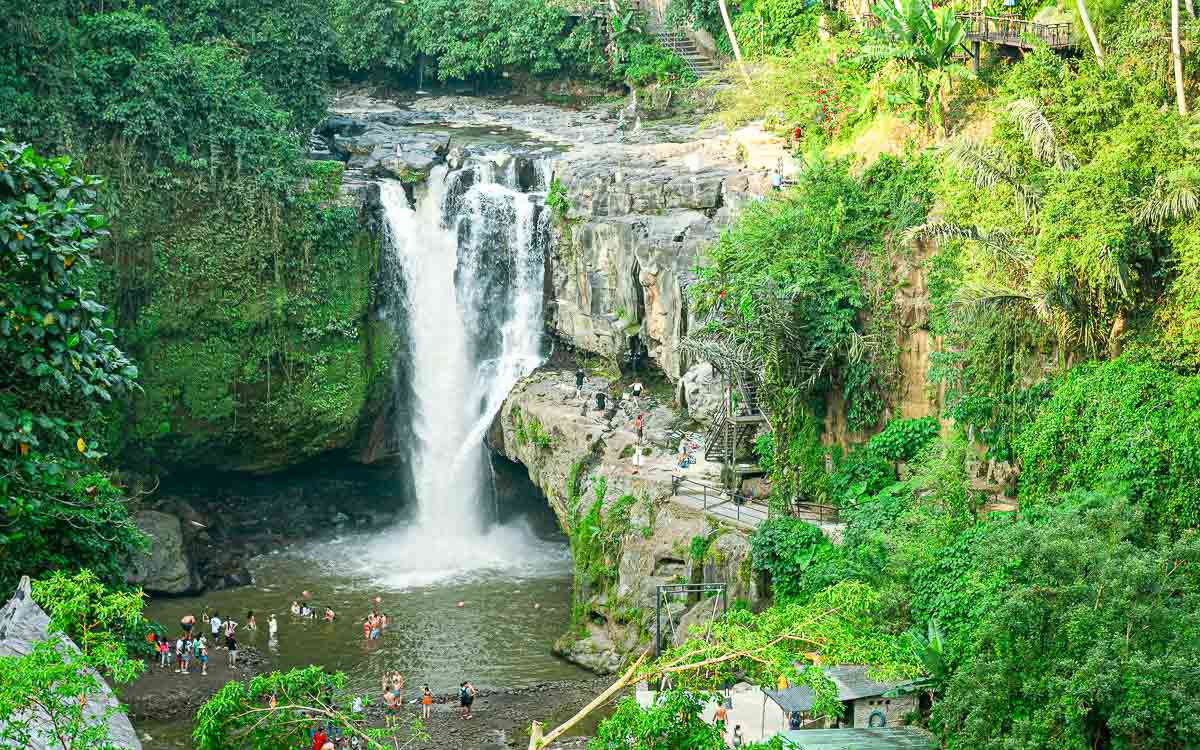
Tegenungan Waterfall offers the ideal blend of natural beauty and swimming opportunities, making it one of Ubud’s most popular natural attractions for good reason. Located in Tenegungan Kemenuh village, just 20 minutes from central Ubud, this powerful 25-meter cascade creates refreshing pools that provide welcome relief from Bali’s tropical heat.
What to Expect:
- 25-meter waterfall cascading into natural swimming pools
- Multiple jungle trekking trails leading to various viewing points
- Photography opportunities from different angles and elevations
- Changing facilities and local warungs (food stalls) serving fresh refreshments
- Adventure activities including supervised cliff jumping from designated spots
Activities Available:
- Swimming: Crystal-clear natural pools with fast-flowing, refreshing water
- Photography: Multiple vantage points providing different perspectives for social media shots
- Adventure Sports: Cliff jumping available from safe, designated areas with local guidance
- Jungle Exploration: Hiking trails through tropical vegetation to hidden viewpoints
- Relaxation: Shaded seating areas perfect for picnics and rest breaks
Unfortunately, during our visit we forgot to bring additional clothes for swimming, but we watched many other tourists thoroughly enjoying the refreshing pools. The water flows quite fast, creating natural jacuzzi-like effects that many visitors find invigorating and therapeutic.
Visitor Tips:
- Hours: 6:30 AM – 6:30 PM daily, with best lighting conditions mid-morning
- Entrance: Free admission, though parking fees may apply
- What to Bring: Swimwear, quick-dry towels, waterproof camera protection, non-slip footwear
- Access: Approximately 100 steps down to waterfall base, moderate fitness required
- Safety: Current can be strong, supervise children closely and assess swimming ability
The surrounding area features local shops selling affordable souvenirs and traditional Indonesian refreshments, supporting the village economy while providing convenient services for visitors. This represents responsible tourism that benefits local communities directly.
Beyond the Highlights: Hidden Gems and Local Experiences
Saraswati Temple (Pura Taman Saraswati)
This enchanting water temple in central Ubud features lotus ponds that bloom magnificently during certain seasons, creating some of the most romantic photography opportunities in town. The classical Balinese architecture, reflected in still pond waters, offers peaceful morning visits before tourist crowds arrive.
Sacred Monkey Forest Sanctuary
Home to over 600 long-tailed macaques, this nature reserve combines wildlife observation with ancient temple ruins, creating unique opportunities for nature photography. The resident monkeys have distinct personalities, though visitors should secure belongings and follow guide instructions carefully.
Campuhan Ridge Walk
This scenic 2-kilometer hiking trail offers panoramic views of Ubud’s river valleys and surrounding hills, providing excellent exercise with spectacular rewards. The walk is particularly magical during sunrise hours, when mist rises from the valleys and golden light illuminates the landscape. Nature lovers will find this complements perfectly with tranquil mountain experiences available in Bali’s highland regions.
Traditional Markets and Artisan Villages
Ubud’s traditional markets offer authentic shopping experiences where visitors can purchase handmade crafts directly from local artisans. The surrounding villages specialize in different crafts – wood carving, silver jewelry, traditional painting – providing cultural immersion beyond typical tourist attractions.
Cultural Etiquette and Responsible Tourism
Understanding and respecting Balinese cultural norms enhances your experience while showing appreciation for local traditions. The Bali Tourism Board provides comprehensive guidelines for responsible tourism practices that benefit both visitors and local communities.
Temple Visit Guidelines:
- Always wear appropriate covering (sarongs and temple scarves) when entering sacred areas
- Remove shoes before stepping into temple buildings or prayer areas
- Never point feet toward altars, shrines, or religious statues
- Maintain silence and respectful behavior during active prayer ceremonies
- Ask permission before photographing local worshippers or religious activities
- Follow designated walking paths and respect barrier boundaries
Environmental Responsibility:
- Stay on designated paths at rice terraces to protect actively growing crops
- Dispose of trash properly at all natural sites, or better yet, pack it out
- Support local communities through entrance fees and purchases from village vendors
- Respect wildlife at all locations, maintaining safe distances and avoiding feeding
- Use reef-safe sunscreen to protect water systems at swimming locations
Cultural Sensitivity:
- Dress modestly when visiting rural villages and religious sites
- Learn basic Indonesian greetings to show respect for local culture
- Understand that some areas may be off-limits during religious ceremonies
- Support authentic local businesses rather than international chains when possible
Planning Your Ubud Itinerary: Maximizing Your Experience
Day 1: Cultural and Spiritual Immersion
- Morning (8-11 AM): Goa Gajah and Tirta Empul temples for spiritual experiences
- Midday: Traditional lunch at local warung with authentic Indonesian cuisine
- Afternoon (2-5 PM): Traditional village visits and local artisan workshops
- Evening: Sunset viewing at Tegallalang rice terraces with golden hour photography
Day 2: Adventure and Natural Beauty
- Morning (9-12 PM): Aloha Ubud Swing experience with professional photography
- Midday: Lunch at Teba Sari Resto-Bar with live music and scenic views
- Afternoon (2-5 PM): Tegenungan waterfall swimming and jungle exploration
- Evening: Relaxation and traditional Balinese spa treatments
Day 3: Hidden Gems and Local Experiences
- Morning (7-10 AM): Campuhan Ridge Walk during sunrise for optimal lighting
- Late Morning: Sacred Monkey Forest Sanctuary and Saraswati Temple visits
- Afternoon: Traditional market shopping and local artisan village exploration
- Evening: Traditional Balinese dance performance with cultural dinner
For extended stays, consider day trips that showcase different aspects of Bali’s natural beauty. Adventure travelers often combine Ubud visits with pristine island escapes featuring hidden beaches and snorkeling opportunities, creating comprehensive Bali experiences.
Where to Stay and Dine: Local Recommendations
Accommodation Strategy:
Choose accommodations in central Ubud for walking access to restaurants, markets, and cultural sites, or opt for rice field view properties for more immersive natural experiences. Many hotels offer complimentary shuttle services to major attractions, reducing transportation costs and logistics stress.
Dining Highlights:
Teba Sari Resto-Bar deserves special mention for its excellent combination of quality food, live music entertainment, and scenic views that make it perfect for lunch between attraction visits. The restaurant features comfortable outdoor seating overlooking decorative fish ponds, creating a relaxing atmosphere ideal for recharging after active morning sightseeing.
The menu offers both Indonesian specialties and international options, with refreshing cocktails that provide perfect respite from tropical heat. Reservations can be made online or walk-in, though booking ahead ensures preferred seating with the best pond and garden views.
Local Food Experiences:
Beyond restaurants, seek out traditional warungs (local food stalls) near major attractions. These family-run establishments offer authentic flavors at budget-friendly prices while supporting local families directly. Popular dishes include nasi goreng (fried rice), gado-gado (mixed vegetable salad), and fresh tropical fruits.
Transportation and Practical Considerations
Getting to Ubud:
Most international visitors fly into Ngurah Rai International Airport in Denpasar, then travel approximately 1 hour to reach central Ubud. Consider pre-arranged transportation packages that include airport pickup and flexible day trip options, eliminating negotiation stress and ensuring reliable service.
Local Transportation:
Private drivers remain the most popular choice for visiting multiple attractions efficiently. Daily rates typically range from $35-50 USD including fuel, with experienced drivers who know optimal timing and routes for each location. Many drivers speak basic English and serve as informal cultural guides.
Money and Payment:
Indonesian Rupiah remains the primary currency, though some tourist-focused businesses accept US dollars at poor exchange rates. ATMs are readily available in central Ubud, and many restaurants accept credit cards. Always carry small denomination rupiah notes for entrance fees, local snacks, and small purchases from village vendors.
FAQ Section
How many days do I need to see Ubud’s main attractions?
Plan at least 3-4 days to comfortably visit the major attractions without rushing. This timeframe allows for cultural experiences, nature activities, relaxation, and unexpected discoveries that make travel memorable.
What’s the best way to get around Ubud’s attractions?
Private drivers offer the most convenience for visiting multiple sites in one day, especially when weather conditions or personal interests require itinerary flexibility. Scooter rentals work well for independent travelers comfortable with Indonesian traffic patterns.
Are the rice terraces worth visiting during rainy season?
Yes, but exercise extra caution as pathways become slippery and muddy. The terraces remain green and beautiful year-round, though December-February offers the lushest landscapes balanced against occasional tropical rain showers.
Can I swim at all the waterfalls near Ubud?
Tegenungan allows swimming in designated areas with local guidance for safety. Other waterfalls have varying policies depending on seasonal conditions, water levels, and local safety assessments, so always check current conditions before entering water.
Do I need a guide for temple visits?
While not mandatory, guides provide valuable cultural context and ensure proper etiquette that enhances the spiritual experience. Many temples offer brief orientation when you rent sarongs at entrance areas, explaining basic respectful behavior.
How much should I budget for entrance fees and activities?
Most temple entrances cost $1-3 USD, rice terraces charge 10,000-15,000 IDR per person, and activity parks like Aloha Swing offer packages starting around $15 USD with optional photography services for additional fees.
Is it safe to travel around Ubud independently?
Yes, Ubud is generally very safe for independent travelers, with low crime rates and friendly local populations. Standard travel precautions apply: secure valuables, inform someone of your plans, and trust local advice about current conditions.
What should I wear when visiting temples?
Long pants or skirts covering knees, shirts covering shoulders, and closed-toe shoes are required. Most temples provide sarongs and temple scarves at entrance areas, but bringing your own ensures better fit and comfort.
Conclusion
As we concluded our journey through Ubud’s magnificent attractions, we found ourselves reflecting on the unforgettable encounters and hidden treasures discovered along the way. From tranquil rice terraces showcasing sustainable agriculture to mystical temples preserving ancient spiritual traditions, each moment spent exploring this enchanting destination created lasting impressions that extend far beyond typical tourism.
The magic of Ubud lies not just in its individual attractions, but in how these experiences weave together to create understanding of Balinese culture, environmental harmony, and spiritual tradition. Whether seeking adventure, relaxation, cultural immersion, or natural beauty, this remarkable destination offers authentic experiences that satisfy diverse travel interests while supporting local communities.
We encourage you to embrace Ubud’s treasures with open hearts and curious minds. Pack comfortable walking shoes, bring respect for local customs, and prepare for experiences that will create memories lasting far beyond your visit. Each step through these cultural landscapes reveals new perspectives on sustainable living, spiritual practice, and the enduring beauty of traditional Indonesian culture.
Disclosure: This post may contain affiliate links. If you click through and make a purchase, we may earn a small commission at no extra cost to you. Thank you for your support!
If you are building a Bali itinerary, this pairs naturally with Bedugul Tour Guide Nusa Penida Travel Guide Ubud Bali Mount Batur Sunrise Hike.
Such a beautiful place with load of adventure.
Thank you Kris! 🙂
Wow, what an amazing place to spend your holiday! Bali is really one of my dream place to see, that’s why it’s been part of my bucket list! Will visit the place once the pandemic is over…
This is helpful since we’re planning to spend our Christmas there. if you don’t mind me asking is there a possibility that camping is allow in Ubud? But do you think it’s currently open for travellers?
Bali is on my bucket list! And lagi ko rin tong nakikita, yung Ubud na maganda nga araw. And oo nga, ang ganda 🙁 Ang peaceful and romantic! Sana next year makapag-travel na ulit abroad
okay, so akala ko talaga it was mount Balur, batur pala hehehe! Anyway, was wondering when did you come here in Bali? Bali seems to be kinda similar to the PH, with that awesome view and their Tegallalang rice terraces 🙂
Oh, I don’t remember much of my lessons on different religions, but I do remember that some cultures use demon heads nga to ward off bad spirits.
Tagalallang looks fantastic! One day, hubby and I can take a vacation there without the kiddos.
Aww shucks.. this makes me wish I can visit Bali soon! It has been on my bucket list forever! Haha! I want to go try that ALOHA swing and see the rice terraces! 🙂
Nasa Bali dapat ako last July pero due to the pandemic, na cancel. I’m so excited to explore Ubud pa naman. Anyway, I’m saving this blog post for future reference. Hopefully, next year, pwede na ulit mag travel!
such a beautiful place.. bali! one of the places i like to bring my son! lam ko di sya gaano pang kids pero my son loves to explore kasi talaga!:) san kayo naka base? sarap niyo nakapag travel! stay safe always!
Will definitely try out that swing when I visit Bali!!! Aside from the pictures I’ll post on IG, i also live the adrenaline I’d get from those swings. And the view is spectacular l!
I haven’t been to Bali and so excited to read about your travel experience. That koi pond is so gorgeous! I can sit and watch them for hours. Sana next year we can visit kapag we are allowed to travel na.