




Quick Info — Bedugul Tour Guide 2025
| Location | Bedugul, Tabanan, Bali, Indonesia |
|---|---|
| Best time to visit | Dry season, April–October; mornings for misty lake photos |
| Duration | Full day |
| Difficulty | Easy to moderate |
| Getting there | Drive from Denpasar/Ubud ~1.5–2 hours by car or scooter |
| Fees | Botanical gardens, temples, and viewpoints have small entrance fees |
| What to bring | Light jacket for cool highland weather, umbrella/rain jacket, snacks, camera, cash |
Table of Contents
What Makes Bedugul Special: Bali’s Cool Mountain Retreat
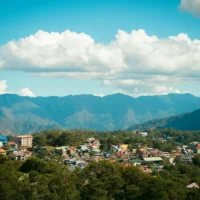
Nestled 1,500 meters above sea level in Bali’s central highlands, Bedugul offers a refreshing escape from the island’s tropical heat. This misty mountain region combines ancient Hindu spirituality with breathtaking natural beauty, making it one of Bali’s most captivating highland destinations.
The area’s cool climate, pristine lakes, and sacred temples create an atmosphere that feels worlds away from the bustling beaches and rice terraces you’ll find in other parts of the island. Whether you’re seeking spiritual connection, natural beauty, or those perfect Instagram shots, Bedugul delivers an unforgettable experience.
Complete Bedugul Tour Itinerary: 5 Must-Visit Attractions
1. Ulun Danu Bratan Temple: Bali’s Iconic Floating Temple
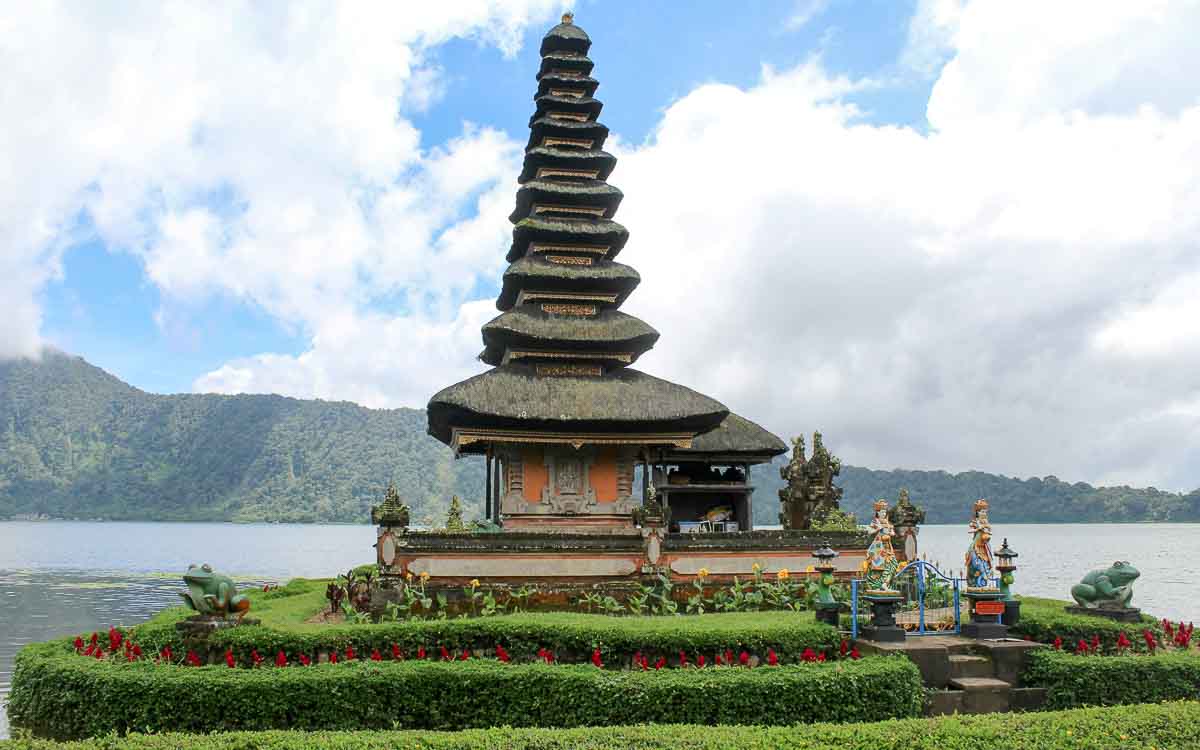
Best Time to Visit: 8:00 AM – 10:00 AM (avoid afternoon fog) Entrance Fee: IDR 75,000 (adults), IDR 50,000 (children) Duration: 1-2 hours
The jewel of Bedugul, Ulun Danu Bratan Temple sits gracefully on Lake Bratan’s shores, creating one of Indonesia’s most photographed scenes. This 17th-century water temple is dedicated to Dewi Danu, the Hindu goddess of lakes and rivers, making it a sacred site for Balinese water ceremonies.
The temple’s distinctive multi-tiered pagodas (called meru) appear to float on the lake’s surface during high water periods, especially during the rainy season. This ethereal effect has made the temple famous worldwide and earned it a place on Indonesia’s 50,000 rupiah banknote.
Photography Tips:
- Arrive early morning when the lake is calm and mist creates dramatic lighting
- Use the reflection in the water for stunning mirror shots
- The best viewpoint is from the gardens on the eastern shore
- Consider booking a photography tour through GetYourGuide for guided shots at optimal times
Nearby Attractions: The Bali Botanical Garden is just 10 minutes away and perfect for nature lovers seeking tropical plant species.
2. Handara Gate: Gateway to Balinese Paradise
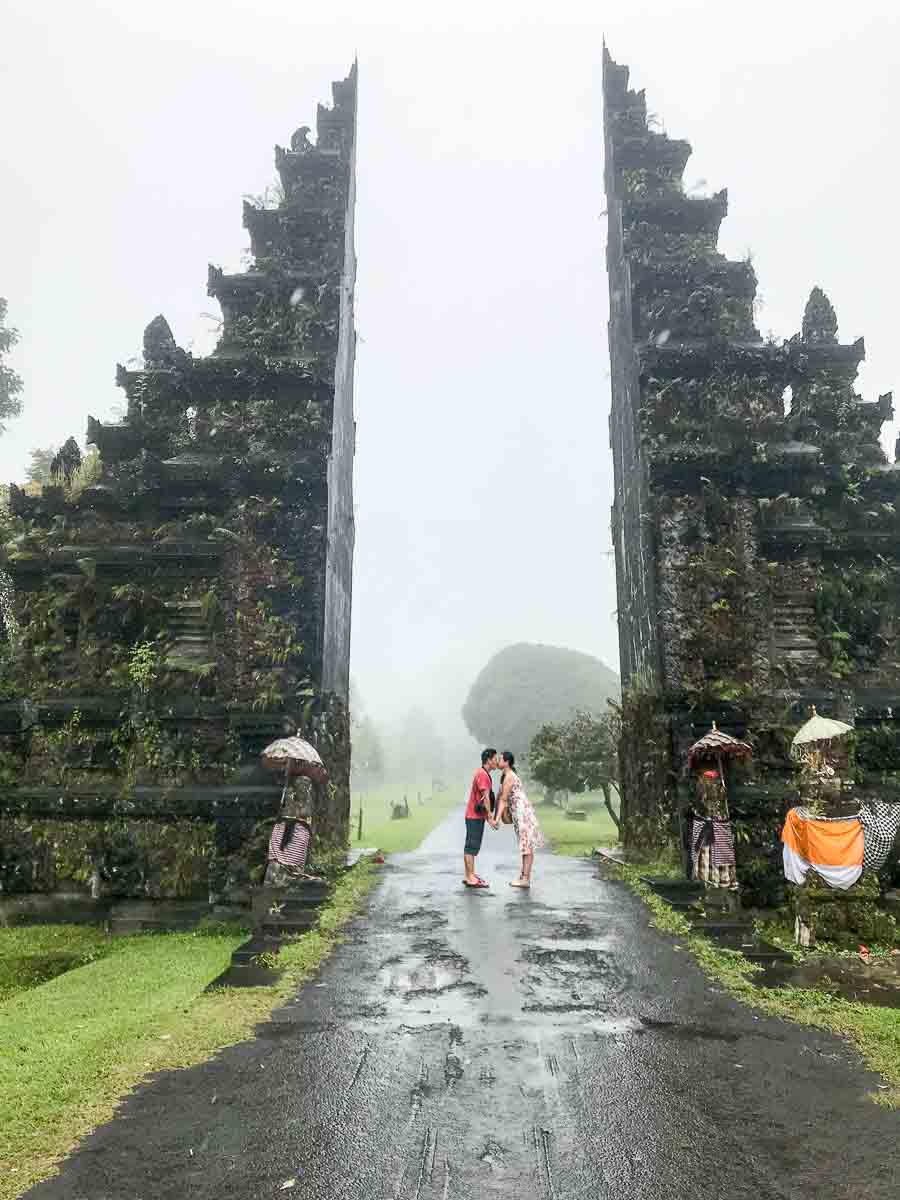
Best Time to Visit: 9:00 AM – 11:00 AM (optimal lighting) Entrance Fee: IDR 30,000 Duration: 30-45 minutes
Known locally as “Pintu Gerbang Handara,” this traditional Balinese gate has become one of Instagram’s most famous spots in Bali. Framed by towering pine trees and rolling hills, the gate creates a perfect natural frame for photos that capture Bali’s diverse landscapes.
The gate serves as the entrance to Handara Golf Resort, but its cultural significance goes deeper. In Balinese Hindu tradition, gates like this represent the transition between the physical and spiritual worlds, making your photo session feel genuinely meaningful.
Getting There: Located on the main road between Bedugul and Singaraja, Handara Gate is easily accessible by car or scooter. The dramatic mountain scenery during the journey is worth the trip alone. Many visitors find that booking a half-day highland tour through GetYourGuide provides the perfect balance of time at each location without rushing.
For those who love scenic mountain drives, consider extending your journey to explore the highland villages around Mount Batur, where sunrise hikes offer equally spectacular views.
3. Wanagiri Hidden Hills: Bali’s Secret Viewpoint Paradise
Best Time to Visit: 6:30 AM – 9:00 AM (avoid crowds) Entrance Fee: IDR 35,000 Duration: 1-2 hours
Perched high above twin lakes Buyan and Tamblingan, Wanagiri Hidden Hills offers panoramic views that rival any mountain destination worldwide. This relatively new attraction features creative photo spots including bamboo swings, bird’s nests, and heart-shaped platforms suspended over the valley.
The site showcases Bali’s incredible biodiversity, with dense tropical forests stretching as far as the eye can see. On clear mornings, you can spot both lakes simultaneously while breathing the crisp mountain air that makes Bedugul special.
What to Expect:
- Multiple Instagram-worthy photo installations
- Stunning 360-degree mountain and lake views
- On-site dress rental for traditional Balinese photos
- Small warung serving local snacks and coffee
The peaceful atmosphere here contrasts beautifully with busier attractions like Ubud’s famous temples and ridge walks, offering a more intimate connection with Bali’s natural beauty.
4. Tanah Lot Temple: Sunset Spectacular
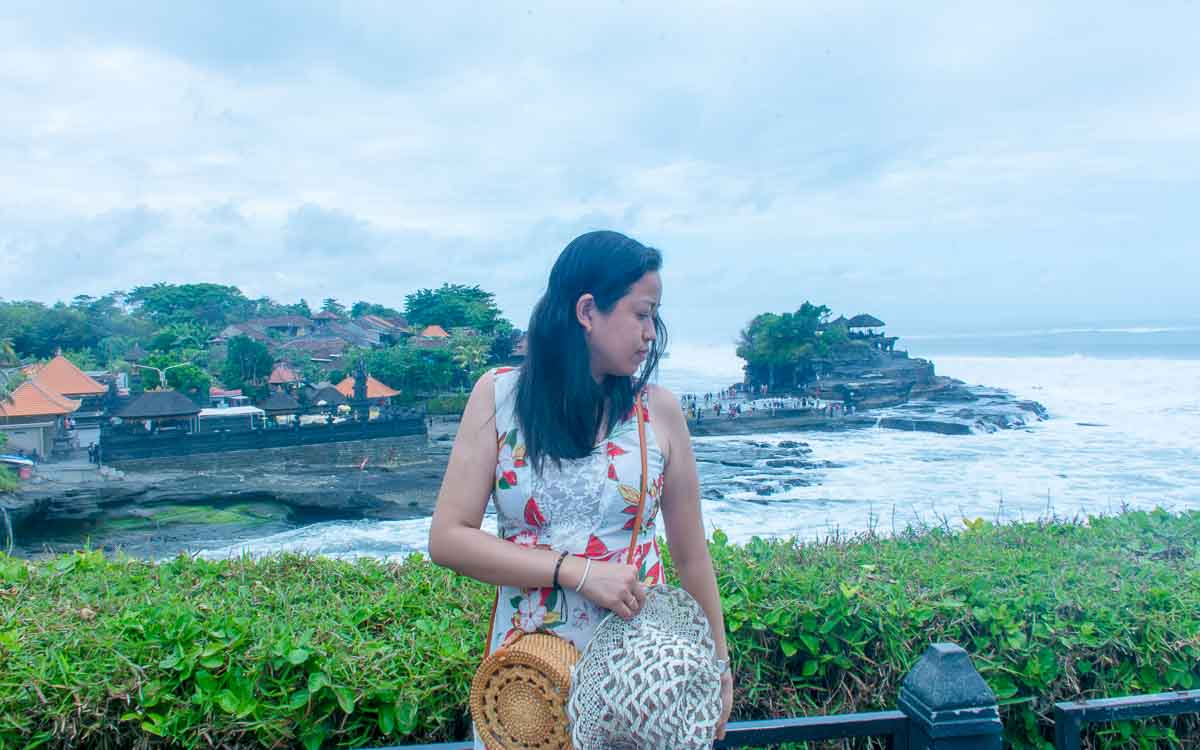
Best Time to Visit: 4:00 PM – 7:00 PM (sunset) Entrance Fee: IDR 60,000 Duration: 2-3 hours
While technically not in Bedugul proper, Tanah Lot Temple perfectly concludes most highland tours with its dramatic clifftop setting and world-famous sunsets. This 16th-century sea temple sits on a rocky outcrop surrounded by crashing waves, creating one of Bali’s most romantic settings.
The temple is dedicated to Baruna, the sea god in Balinese mythology, and plays a crucial role in the island’s spiritual geography. Local legend says the temple is guarded by sea serpents that live in the caves below.
Sunset Viewing Strategy:
- Arrive by 4:30 PM to secure the best viewing spots
- Low tide allows closer temple access for detailed photos
- The clifftop restaurants offer elevated sunset views with dinner
Cultural Significance: Tanah Lot is one of seven sea temples (Pura Sad Kahyangan) forming a spiritual chain around Bali’s coast, each positioned to be visible from the next. This temple network represents the Balinese Hindu concept of cosmic balance and protection.
5. Jatiluwih Rice Terraces: UNESCO World Heritage Wonder
Best Time to Visit: 10:00 AM – 4:00 PM Entrance Fee: IDR 40,000 Duration: 1-2 hours
Often included in extended Bedugul tours, the Jatiluwih Rice Terraces showcase Bali’s ancient irrigation system called subak. These emerald-green terraces stretch across rolling hillsides, creating a living landscape that’s remained virtually unchanged for centuries.
The terraces demonstrate sustainable agriculture practices that have earned UNESCO World Heritage status as part of Bali’s Cultural Landscape of Subak irrigation system. Walking through these ancient rice fields offers insights into Balinese culture that goes far beyond typical tourist experiences.
The panoramic views from various viewpoints show how Balinese farmers have shaped their landscape in harmony with nature, creating beauty that serves both practical and spiritual purposes.
Essential Bedugul Tour Planning Tips
Best Time to Visit Bedugul
Ideal Season: April to October (dry season) Daily Timing: Start early (7:00 AM) to avoid crowds and afternoon rain Weather Considerations: Pack light jackets—highland temperatures can drop to 15°C (59°F)
Check current weather conditions and forecasts at the Indonesian Meteorological Agency before your visit, as mountain weather can change quickly throughout the day.
The highland climate means Bedugul experiences different weather patterns than coastal Bali. Morning visits offer the clearest views and most comfortable temperatures for walking and photography.
Transportation Options
Private Car with Driver: Most convenient option (10-12 hours, IDR 600,000-800,000). You can book reliable drivers through Klook’s private car services which include English-speaking guides and flexible itineraries.
Scooter Rental: Adventurous choice with scenic flexibility (IDR 70,000/day)
Join Group Tours: Budget-friendly with fixed itineraries (IDR 350,000-500,000). GetYourGuide offers excellent small group tours that combine Bedugul with other highland attractions.
The mountain roads can be challenging for inexperienced scooter riders, especially during rainy conditions. Consider your comfort level before choosing transportation.
Cultural Etiquette and Respect
When visiting temples in Bedugul:
- Wear modest clothing covering shoulders and knees
- Bring or rent a sarong (available at most temples)
- Maintain quiet, respectful behavior during ceremonies
- Follow photography guidelines posted at each location
These practices show respect for local traditions and ensure positive experiences for everyone visiting these sacred spaces.
Hidden Gems Around Bedugul
Sekumpul Waterfall: North Bali’s Natural Cathedral
About 45 minutes from central Bedugul, Sekumpul Waterfall cascades 80 meters through lush rainforest, creating one of Bali’s most spectacular natural displays. The hike down involves steep paths but rewards visitors with swimming opportunities in crystal-clear pools.
Munduk Village: Coffee Culture and Mountain Views
This traditional village offers authentic insights into Balinese highland life, complete with coffee plantations, spice gardens, and homestay opportunities. The cooler climate here supports crops that don’t grow in lowland Bali.
For travelers interested in exploring more of Bali’s diverse landscapes, Nusa Penida offers completely different coastal experiences with dramatic cliffs and pristine beaches.
Banyumala Twin Waterfalls: Instagram Paradise
These picturesque waterfalls feature crystal-clear pools perfect for swimming and photography. The moderate trek through tropical forest adds adventure to your highland experience.
Where to Stay Near Bedugul
Luxury Options:
- Handara Golf & Resort Bali (highland golf course views)
- Munduk Moding Plantation (coffee plantation luxury)
Mid-Range Choices:
- Strawberry Hill Hotel Bedugul (family-friendly with mountain views)
- Villa Botani Bedugul (peaceful garden setting)
Budget Accommodations:
- Bedugul Nature Lodge (basic but clean mountain lodge)
- Local homestays in Munduk village (authentic cultural experience)
Most visitors combine Bedugul with stays in Ubud for its cultural attractions or coastal areas for complete Bali experiences.
Food and Dining Recommendations
Local Specialties to Try
Bebek Betutu: Slow-roasted duck with aromatic spices, perfect for cooler highland weather Sate Lilit: Minced meat satay wrapped around bamboo stalks, a Balinese specialty Fresh Strawberries: Local highland-grown strawberries available at roadside stalls
Best Restaurants
Mentari Restaurant: Overlooking Lake Bratan with Indonesian and international cuisine Strawberry Stop: Famous for fresh strawberry drinks and mountain views Local Warungs: Authentic Balinese food at fraction of tourist restaurant prices
The highland climate allows for crops and cooking styles different from coastal Bali, making local food exploration particularly rewarding.
Photography Guide for Bedugul
Essential Shots to Capture
- Ulun Danu Temple reflection shots during calm morning conditions
- Handara Gate framing with pine trees and mountain backdrop
- Panoramic views from Wanagiri showing twin lakes and forest canopy
- Tanah Lot silhouettes against dramatic sunset colors
- Rice terrace patterns showcasing geometric agricultural beauty
Camera Settings and Tips
Early Morning Shots: Use slower shutter speeds for calm water reflections Sunset Photography: Bracket exposures to capture dynamic range Portrait Photography: The soft highland light creates flattering natural lighting Landscape Compositions: Include foreground elements like flowers or rocks for depth
Frequently Asked Questions
How long does a complete Bedugul tour take?
A comprehensive tour typically requires 10-12 hours, starting early morning and ending with sunset at Tanah Lot Temple.
Is Bedugul suitable for families with young children?
Yes, most attractions have minimal walking requirements. However, pack warm clothes as highland temperatures can be cool for children.
Can I visit Bedugul during rainy season?
Yes, but expect afternoon rain and potentially foggy conditions that may limit mountain views. Morning visits are still usually clear.
What’s the difference between Bedugul and Ubud?
Bedugul focuses on highland temples, lakes, and cool climate, while Ubud emphasizes cultural experiences, art, and rice terraces in a warmer setting.
Should I book tours in advance?
Private tours benefit from advance booking, especially during peak season (July-August). Temple entrances don’t require advance tickets.
Is it safe to drive to Bedugul independently?
Yes, roads are generally good, but mountain driving requires caution, especially during rain. GPS navigation works reliably throughout the region.
Planning Your Perfect Bedugul Adventure
Bedugul offers experiences that showcase Bali’s incredible diversity beyond beaches and rice paddies. From ancient water temples to Instagram-worthy mountain gates, every stop reveals different aspects of Balinese culture and natural beauty.
Whether you’re seeking spiritual connection, natural beauty, or simply unforgettable photos, Bedugul delivers experiences that stay with you long after leaving Bali’s magical highlands. Plan your visit during the dry season, start early to beat crowds, and prepare for a day that redefines your understanding of this incredible island.
The combination of sacred temples, pristine lakes, and dramatic mountain scenery makes Bedugul essential for any comprehensive Bali adventure. Pack that camera, bring a light jacket, and prepare for one of Indonesia’s most rewarding highland experiences.
Disclosure: This post may contain affiliate links. If you click through and make a purchase, we may earn a small commission at no extra cost to you. Thank you for your support!
If you are building a Bali itinerary, this pairs naturally with Bedugul Tour Guide
Nusa Penida Travel Guide
Ubud Bali
Mount Batur Sunrise Hike.
Leave a Reply