



Introduction
If you are an Iqama holder planning to visit home or travel abroad, you cannot simply leave Saudi Arabia and return whenever you want. You need a valid Saudi exit re-entry visa for Iqama holders. This step is non-negotiable for residents who intend to come back before their Iqama expires.
This guide is built around actual OFW experience, not generic government translation. I have processed my own exit re-entry visas multiple times, both through my sponsor and directly via Absher. You will find the current requirements, 2026 fee baseline, Absher steps, Jawazat tips, multi-entry trade-offs, status checks, and the mistakes that usually delay approval.
If you are still sorting out your Saudi tourist visa, our Saudi Arabia visa guide covers eVisa requirements and application steps for family visits. For broader trip planning, our Saudi Arabia tourism guide maps out the best destinations across the kingdom.
Table of Contents
What Is an Exit Re-Entry Visa and Who Needs It
An exit re-entry visa is an official permit issued by the Saudi government that allows an Iqama holder to leave the kingdom and return before the Iqama expires. It is tied to your residency status, not your passport nationality.
Without this visa, border control will not allow you back into Saudi Arabia, even if your passport is still valid and your Iqama has not expired. Travelers sometimes confuse this with a visit visa or final exit visa, but each serves a different purpose.
A final exit visa ends your employment contract and sponsorship. An exit re-entry visa is temporary: it lets you leave and come back while your Iqama remains active.
The exit re-entry visa is mandatory for most Iqama holders leaving Saudi Arabia for temporary travel, whether for vacation, family visits in the Philippines, conferences, or personal matters abroad.
The main exceptions are domestic workers who have received a final exit visa after contract completion, or Iqama holders traveling to GCC countries where simplified travel agreements may apply.
Large companies usually process this automatically through HR or PRO. If you work for a smaller sponsor, confirm whether they apply on your behalf or expect you to request it yourself through Absher.
Validity, Fees, and Required Documents
As of 2026, the practical exit re-entry options are centered on single-entry and multi-entry permits. Single-entry is the most common for OFWs going home for holidays, while multi-entry is useful for frequent travelers.
- Single-entry: issued for a defined return window, generally up to about 2 months from issue; exact approved return window should be confirmed in Absher
- Multi-entry: usually valid for up to 3 months from issue with multiple entries allowed within that window
- The return validity is tied to the approved entry date, not just the issue date
- If you do not travel before the approved window closes, the visa can expire unused and you may need to reapply
- Extension is possible inside KSA, but it depends on sponsor/Jawazat approval
Unlike the standard single-entry permit, multi-entry allows repeated trips within the validity window.
| Type | Typical Validity | Best For |
|---|---|---|
| Single-entry | Up to ~2 months | One short trip home |
| Multi-entry | Up to ~3 months | Multiple trips in a short period |
| Extended | Depends on sponsor | Longer stays without reapplying |
Government fees have been updated in recent revisions. The common 2026 pricing baseline is:
- Single-entry: around SAR 200
- Multi-entry: around SAR 500
- Extension inside KSA: around SAR 103.5 or similar updated amount, depending on period and channel
- Additional administrative or service charges may apply depending on payment channel
Payment is made online through Absher or at Jawazat counters. Keep the electronic receipt. If your company has an HR reimbursement policy, submit the receipt as soon as the visa is issued.
Required Documents
Prepare these before starting your application.
- Iqama — original plus digital copy if applying online
- Passport — must remain valid at least six months beyond your intended return date
- Payment receipt — proof that the fee has been paid
- Return ticket — not always required during application, but airlines and airport officials sometimes ask for it before boarding
- Sponsor approval — required for employees under company sponsorship
- Passport-sized photo — sometimes needed for in-person Jawazat applications
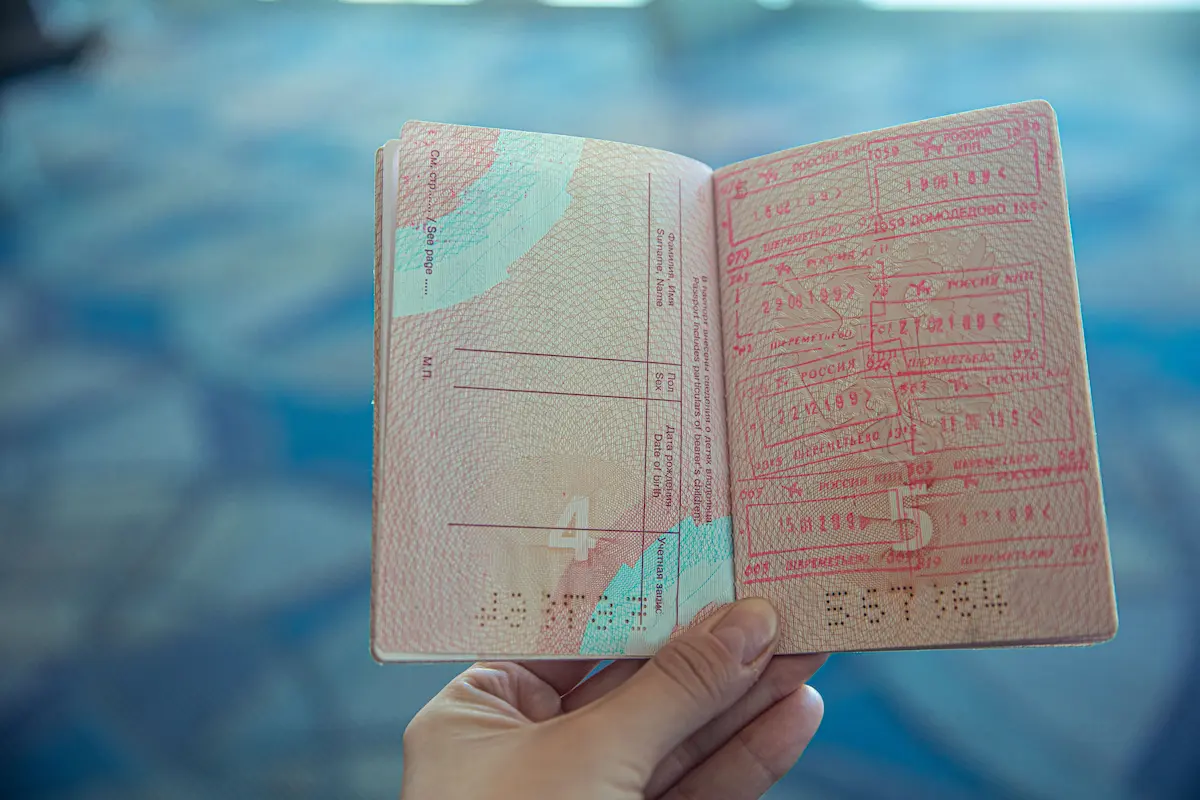
The most common delay happens when sponsors do not approve the request in time. Submit your request early and follow up with your PRO or HR if approval is pending for more than two working days.
How to Apply for Exit Re-Entry Visa
The fastest method is online through Absher. If your Absher account is inactive, your sponsor prefers in-person processing, or you need face-to-face assistance, visit a Jawazat office.
Via Absher
Absher is the fastest method if your Absher account is active and your sponsor has approved the request.
- Log in to Absher with your ID and password
- Select your Iqama-linked profile
- Go to Exit/Entry Services
- Choose Request Exit Re-Entry Visa
- Select your intended travel period; Absher will show the available return window based on your profile
- Confirm your passport and Iqama details
- Pay the fee using a credit or debit card
- Save or print the issued visa
The entire process takes 10 to 15 minutes if sponsor approval is already in place. If sponsorship approval is missing, your request will remain pending until the sponsor acts.
At a Jawazat Office
Documents to bring:
- Iqama original
- Passport original
- Passport photos
- Payment receipt
Choose a less busy branch if possible. Mornings on Sunday through Wednesday are usually quieter than late mornings or Thursdays. Peak seasons such as Ramadan, Eid, and summer vacation create long queues.
Processing time is usually a few hours to two working days. Because waiting times vary, go only if you have a flexible schedule the same day.
Multi-Entry Exit Re-Entry Visa
If you travel frequently between Saudi Arabia and the Philippines, the single-entry visa becomes repetitive and expensive. A multi-entry exit re-entry visa addresses this.
- Validity: usually one year from issuance
- Entries: multiple entries within that year
- Fees: higher than single-entry; confirm exact amount at Jawazat
- Eligibility: not all professions qualify; approval depends on employer agreement and sometimes length of service
Ask your sponsor whether your profession qualifies before paying multiple single-entry fees. Multi-entry is convenient, but it is not universal across all job categories.
Before You Book: Status, Checklist, and Overstay Rules
Always verify your visa before booking flights or closing your bags.

- Absher: Log in and check exit/entry services for the status and expiry date
- Muqeem: Visit Muqeem and enter your Iqama and passport details
- Airport: Jawazat officers can verify it at departure, but confirmation before you leave home is safer
Print a copy and keep it with your passport. Some airlines request confirmation before issuing a boarding pass for return flights, especially if your visa was issued recently.
If you want a quick online fee reference, see the exit re-entry calculator on Saudi Utility Hub for baseline amounts. For documents and related travel costs while based in Saudi Arabia, our SIM and eSIM guide for Saudi tourists and residents can help you estimate communication expenses before you fly. If this trip also involves passport processing for family back home, check our Philippine passport renewal in Saudi guide for related OFW travel prep.
These are the mistakes I have seen other OFWs make the most often:
- Booking before approval — Do not buy a non-refundable ticket until sponsor approval and Absher issuance are complete.
- Ignoring the return buffer — Keep at least a 3- to 5-day buffer before your exit re-entry expiry in case of delayed flights.
- Carrying only digital copies — Print the issued visa; some airlines and Jawazat counters still prefer paper.
- Forgetting Iqama validity — Your Iqama should remain valid well beyond your intended return date; border officers check residency first.
- Assuming multi-entry is automatic — Multi-entry eligibility can depend on profession, company type, and sponsor agreement; confirm before paying.
If you remain outside Saudi Arabia past your exit re-entry visa validity, you must pay the overstay fine before you can return. Fines increase the longer you overstay. Avoid this by checking your visa expiry date before confirming flights and keeping a buffer of a few days in case your return is delayed.
To pay overstay fines:
- Log in to Absher
- Select Exit/Entry Services
- Choose Overstay Violation Payment
- Pay the calculated fine
- Print the payment receipt
Present this receipt at the airport when returning to Saudi Arabia. Having digital and printed copies protects you if the system is slow at immigration.
Frequently Asked Questions
How long does it take to process an exit re-entry visa in Saudi Arabia?
It usually takes 24 hours to 3 days if your sponsor approves it immediately. In-person Jawazat applications may take longer during peak travel seasons like Eid or summer.
Can my sponsor refuse my exit re-entry visa request?
Yes. Your sponsor must approve the request through Absher. If they do not approve it, you cannot obtain the visa. Communicate your travel dates clearly and request approval early enough for processing.
Do I need a return ticket to apply?
A return ticket is not mandatory at the time of application. However, you may be asked to show it at airport departure. Book a flexible ticket if your dates are not fixed.
Can I extend my exit re-entry visa while inside Saudi Arabia?
Extensions depend on your sponsor and Jawazat approval. Some cases allow online extension before expiry, but do not rely on last-minute approval. Apply for the correct duration before leaving.
What is the difference between exit re-entry visa and final exit visa?
An exit re-entry visa allows temporary departure with the right to return before Iqama expiry. A final exit visa permanently ends your Iqama sponsorship and employment contract.
Can I apply without sponsor approval?
No. For most Iqama holders, sponsor approval is required unless you are an independent business owner under your own sponsorship.
Is multi-entry visa worth it if I travel often?
Multi-entry visa saves time and repeated fees, but it costs more upfront and requires sponsor eligibility. Choose it if you travel more than twice a year between Saudi Arabia and the Philippines.
How do I know my visa is valid?
Confirm validity and expiry online through Absher or Muqeem. Do not rely on text message reminders alone, since they can be delayed or missed.
Can I use this visa for Hajj or Umrah travel?
Yes, as long as the visa covers your intended travel dates. Saudi authorities recommend an exit re-entry visa for resident pilgrims traveling from outside Makkah.
What if my Iqama expires while I am abroad?
Iqama renewal may be needed before returning. Contact your sponsor or the nearest Saudi consulate for advice. Delayed Iqama renewal can prevent re-entry and may require consular assistance.
Leave a Reply