



Quick Info — Baguio Weekend Guide from Manila
| Location | Baguio City, Benguet, Philippines |
|---|---|
| Best time to visit | Dry season, especially December–February for cool weather; expect crowds during Panagbenga and Holy Week |
| Duration | Weekend trip; plan 3 days to cover the main spots and farms |
| Difficulty | Easy to moderate |
| Getting there | Deluxe bus from Cubao, Pasay or Sampaloc, 4–6 hours; private car/van also available |
| Budget estimate | PHP 3,500–6,000 per person for 3 days including bus, lodging, food and activities |
| Fees | Mines View Park ~PHP 50, Tam-Awan Village ~PHP 100–150, BenCab Museum ~PHP 200, strawberry picking ~PHP 300–400/kg |
| What to bring | Light jacket, walking shoes, water, sunscreen, hat, extra cash for strawberries and cafes |
- A Baguio weekend trip from Manila costs roughly PHP 3,500–6,000 per person for three days, depending on transport and accommodation style
- The fastest way to Baguio is by bus (5–7 hours) or by car (4–6 hours); flights do not go directly to Baguio
- Book your accommodation at least two weeks in advance, especially during Panagbenga (February) and summer (March–May)
- Must-try foods: strawberry taho, ube halaya, Benguet coffee, and pinikpikan at local restaurants
- Best photo spots: Mines View Park, Tam-Awan Village, Burnham Park, and Session Road cafes
Table of Contents
What Makes Baguio Perfect for a Quick Weekend Trip?
Baguio weekend guide from Manila
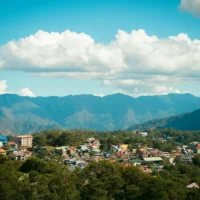
This Baguio weekend guide from Manila starts with one point: this city is close enough to feel like a quick escape, but different enough to feel like a real trip. Baguio sits about 250 kilometers north of Manila, high in the Cordillera mountains at roughly 1,500 meters above sea level. That elevation gives it cool weather year-round, pine-scented air, and a pace that feels completely different from Manila’s heat and traffic.
For a weekend trip, Baguio works because it is close enough to reach in one travel day and still offer enough variety to feel like a real break. You can wander Session Road, hike a pine trail, eat farm-fresh strawberries, and sit in a cafe with a mountain view — all within 48 hours.
I have visited Baguio more than ten times, mostly on quick trips from Manila with friends or family. Each visit reveals a new cafe, a shortcut through a pine grove, or a local dish I had not tried before. That is why I keep coming back.
How to Go to Baguio from Manila: Bus, Car, and Transport Tips
By Bus
The most common way to reach Baguio from Manila is by bus. Major bus companies — including Victory Liner, Genesis Transport, and Partas — run daily trips from Cubao, Pasay, or Sampaloc to Baguio’s central terminal.
- Duration: 5 to 7 hours, depending on traffic and terminal stops
- Cost: PHP 350–600 one-way for regular air-conditioned buses; executive or deluxe buses cost PHP 500–800
- Departure points: Cubao (Quezon City), Pasay (Manila), Sampaloc (Manila)
- Arrival: Baguio Central Terminal or session road drop-off points
Book in advance during peak seasons (December, Holy Week, Panagbenga in February). Some buses allow online booking through the company website or travel apps.
By Private Car or Grab
Driving from Manila to Baguio takes 4 to 6 hours via TPLEX (Tarlac-Pangasinan-La Union Expressway) and Aspiras-Palispis Highway. Kennon Road is an alternative but slower and more winding. Rental cars are expensive; a Grab from Manila is not practical for the full distance. If you are a group of four or more, splitting a rental car can be cheaper and faster than the bus. If you liked the idea of another mountain escape from Manila, our Mount Pulag travel guide covers a very different kind of highland adventure.
Where to Stay in Baguio on a Budget
Baguio accommodations range from PHP 500 dorm beds to PHP 5,000+ hotel rooms. For a weekend trip, you want something clean, central, and affordable.
Budget Hostels and Inns
- The Zone Hostel — dorm beds around PHP 600–800; private rooms around PHP 1,500–2,000. Central location near Session Road.
- Red Planet Baguio — budget hotel chain; rooms around PHP 1,800–2,500. Clean, no-frills, good for couples or solo travelers.
- Baguio Country Club — older, mid-range option near Burnham Park; rates vary but often under PHP 2,000 for simple rooms.
Mid-Range Hotels
If you want more comfort without luxury prices, look for hotels along Session Road or near Mines View Park. Prices range from PHP 2,500–4,000 per night. Book directly or compare rates — some hotels offer lower prices for walk-ins. For DOT-accredited options, check the official Philippine tourism directory.
Homestays and Airbnb
Baguio has several homestays in the diplomatic enclave area or near the forest preserve. These give you a local kitchen and often a host who knows the best off-menu spots. Prices are similar to budget hotels.
Tip: Avoid booking during the Panagbenga Festival (whole of February) — prices triple and availability vanishes two months ahead. Official schedule details are posted by the Baguio City tourism office at baguio.gov.ph.
3-Day Baguio Itinerary: From Parks to Cafes
Day 1: Downtown and Session Road
Arrive by morning, check in, and drop your bags. Walk Session Road for window shopping and coffee. Visit Burnham Park in the afternoon — rent a boat on the small lake, walk the pine groves, or sit on a bench and read.
Dinner at a local restaurant along Upper Session or near the public market. Try pinikpikan, a traditional Cordilleran chicken dish smoked and cooked with local herbs.
Day 2: Mines View Park and Tam-Awan Village
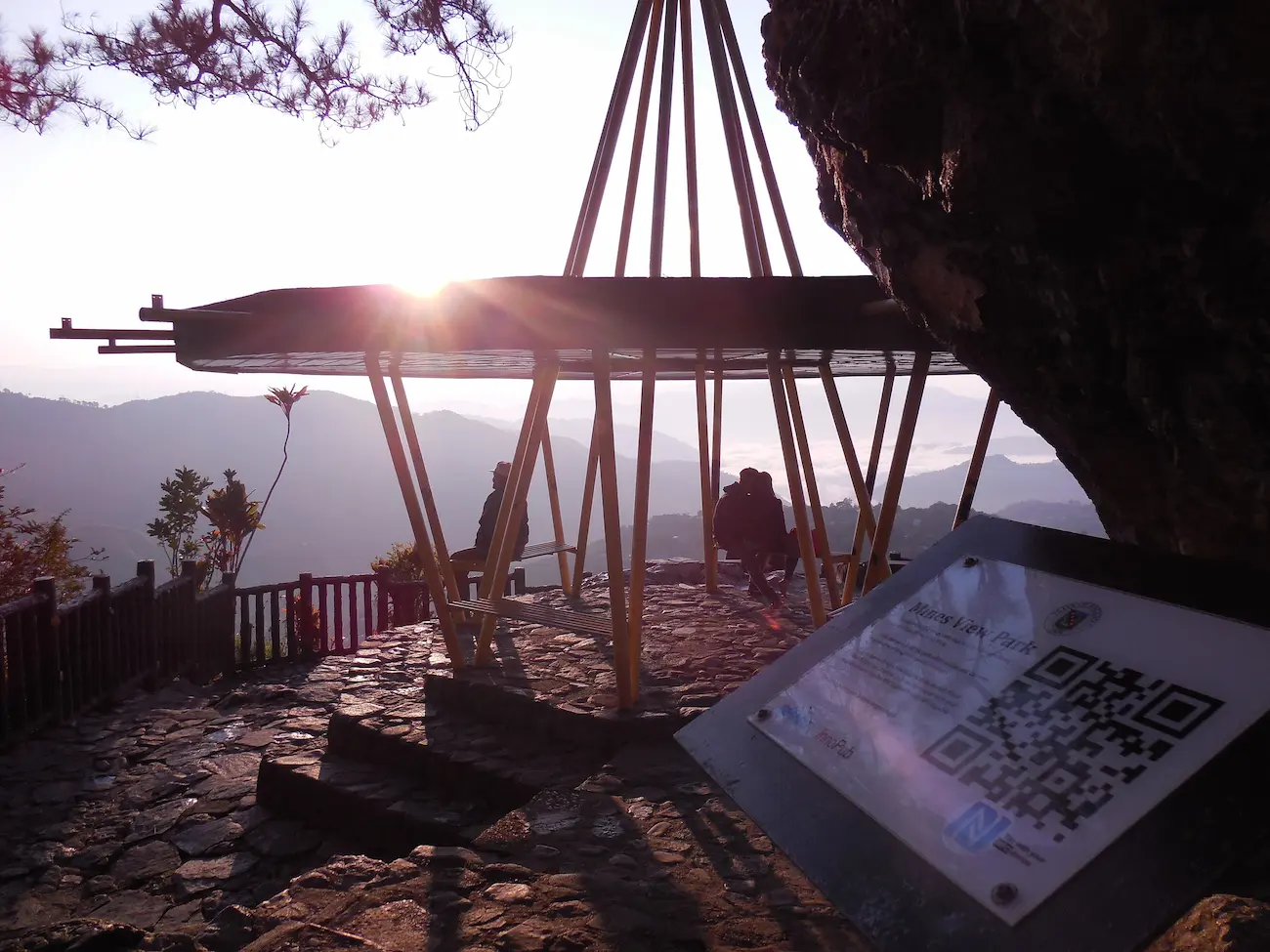
Start early at Mines View Park, about 20 minutes from the city center by taxi or jeepney. The viewpoint overlooks an old gold and copper mine and gives you a postcard view of the Cordillera peaks. Entrance is around PHP 50.
After lunch, head to Tam-Awan Village, a reconstructed Ifugao village and art space uphill from the city. Entrance is around PHP 100–150. The village features traditional houses, a gallery, and a cafe with a view of the whole valley. It is a good place to understand Igorot culture without leaving Baguio. If you enjoy cultural and historical travel around the Philippines, you will find a similar sense of place in our Intramuros Manila travel guide.
Day 3: Strawberry Farms and BenCab Museum
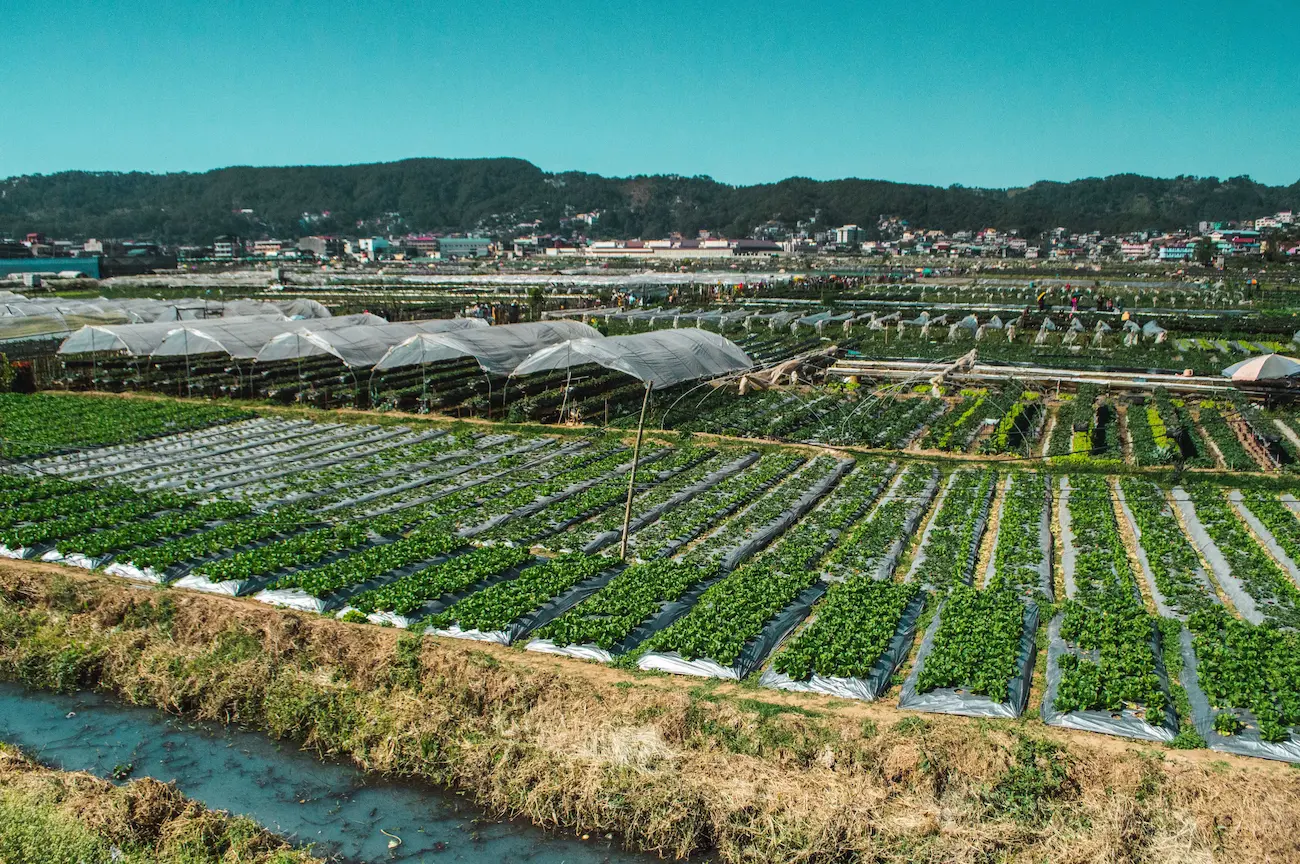
Spend your final morning at the La Trinidad Strawberry Farm, about 30 minutes from Baguio. Pick your own strawberries (PHP 300–400 per kilo, seasonal) and buy fresh jam or taho from nearby stalls.
Afterward, visit the BenCab Museum in Tublay, Benguet. The museum sits on a hillside and showcases Ben Cabrera’s artwork alongside indigenous art and Cordillera artifacts. Entrance is around PHP 200. It is quiet, beautiful, and a calm way to end a busy weekend.
Best Things to Do in Baguio Beyond the Tourist Spots
Camp John Hay Golf Club and Forest Trail
Camp John Hay was a former American military base. Today it is a mixed-use area with a golf club, a mall, restaurants, and a pine forest trail. The trail is free to walk and much quieter than Burnham Park. It is best in the early morning when the air is still cool.
Wright Park and The Mansion
Wright Park sits across from The Mansion, the official summer house of the Philippine president. The park has a shallow pool, pine trees, and horseback riding for kids. Entrance is free. The Mansion itself is not always open to the public, but the gate and surrounding grounds are worth a photo.
Philippine Military Academy (PMA)
If you are interested in military history or cadet life, the PMA offers guided tours on weekends. The campus is in Loakan, about 15 minutes from the city center. Call ahead or check their website for tour schedules.
Our Lady of Atonement Cathedral (Baguio Cathedral)
The yellow cathedral sits on a hill overlooking Session Road. Its architecture and stained glass are modest but striking. It is a good landmark for the start of a walking tour.
Baguio Food Guide: What to Eat and Where
Street Food and Markets

- Strawberry taho — sold near the public market and along Session Road. Warm taho with strawberry syrup, a Baguio specialty.
- Ube halaya — available at stalls near the Philippine Rootcrop Research Center and some public market vendors.
- Engkanto — a popular craft beer spot near Session Road with burgers and sandwiches. Good for a casual dinner.
Local Restaurants
- Oh My Gulay — vegetarian restaurant inside the Tam-Awan Village complex. Quirky, affordable, and vegetarian-friendly.
- Cafe by the Ruins — inside The Mansion grounds (when open) or nearby; Filipino cuisine with a farm-to-table angle.
- Le Chef at The Manor — if you want a splurge, this is one of Baguio’s fine-dining options, around PHP 1,200–1,800 per main.
Coffee Shops
Baguio has a strong cafe culture. Along Upper Session and Harrison Road, you will find independent coffee shops with beans from Benguet farms. Try Benguet coffee — it is locally grown, medium roast, and cheaper than branded Manila cafes.
Baguio Budget Breakdown: Real Costs for 2026
Here is what a three-day weekend trip from Manila costs per person, based on my recent trip:
| Item | Cost (PHP) |
|---|---|
| Bus fare (Cubao to Baguio, round trip) | 400–600 |
| Budget hostel (2 nights, shared room) | 1,200–1,600 |
| Food and drinks (3 days) | 1,500–2,500 |
| Local transport (jeepneys, taxis) | 300–500 |
| Attractions and entrance fees | 400–600 |
| Souvenirs and strawberry buys | 300–500 |
| Total | 4,100–6,300 |
If you are a couple sharing a private room, your total per person drops to PHP 3,500–5,000. If you eat at local carinderias instead of restaurants, you can push it lower. For another Manila-side escape, our Corregidor Island day trip guide offers a very different kind of historical trip with similarly clear pricing.
Photography Spots and Instagram-Worthy Cafes in Baguio
Mines View Park
The viewpoint at Mines View Park is Baguio’s most photographed scene.
Tam-Awan Village
The reconstructed Ifugao huts at Tam-Awan make for distinctive foreground shots with the city below. The cafe terrace also has a panoramic view of the valley, good for sunset.
Burnham Park
Burnham Park is most photogenic in the early morning or late afternoon when the light is soft. The boat rental area, the pine grove, and the open field near the colonial-style buildings are all good compositions.
Session Road Cafes
Upper Session Road has several cafes with large windows and mountain views. Pannawea’s and Arca’s Yard are the most photographed, but many smaller cafes have equally good light. Weekday mornings are quiet enough to sit and shoot for an hour without feeling rushed.
Panagbenga Festival: When to Visit Baguio in 2026
Panagbenga, the Baguio Flower Festival, runs throughout February. It features float parades, street dancing, landscape exhibits, and garden shows around the city.
Panagbenga 2026 Key Dates (Expected)
- February 1–28: Month-long flower exhibits and garden shows
- Mid-February: Grand Float Parade along Session Road
- Late February: Street Dancing Parade and Closing Ceremony
Tips for Panagbenga Visitors
- Book accommodation by December at the latest. Hotels raise prices by 50–100 percent during the festival.
- Arrive a day before major parades to secure a viewing spot. Session Road gets crowded by 7 AM on parade days.
- Wear comfortable shoes and bring a light jacket. February is one of Baguio’s coolest months.
- The Panagbenga crowd is family-friendly, but expect heavy traffic and long walks.
Weather and Packing Tips for Baguio
Baguio’s temperature ranges from 13 degrees Celsius at night to 24 degrees during the day, even during summer. The dry season runs from November to April; the wet season is July to September, with frequent fog and drizzle.
What to Pack
- Light jacket or hoodie — even in summer, evenings are cool
- Closed shoes — Baguio is hilly; find comfortable sneakers for walking
- Sunscreen — UV is stronger at altitude, even when it feels cloudy
- Umbrella or light rain jacket — sudden afternoon showers happen year-round
- Extra bag — if you plan to buy strawberries, jam, or woven goods
What Not to Expect
- Baguio is not cold enough for winter gear unless you plan to hike nearby mountains like Mount Pulag. A hoodie and long pants are enough.
- The city is walkable but steep in some areas. If you have mobility issues, taxis are cheap enough (PHP 40–80 per short ride) that you can skip the hills. If you have an extra day and want to push further into the mountains, the Sagada cave connection is just four to five hours away — we have a Sagada cave connection guide for that.
Side Trips from Baguio: Sagada, La Trinidad, and Burnham Park
Sagada
Sagada is about four to five hours by bus from Baguio. It is famous for hanging coffins, cave spelunking, and mountain sunrises. If you have an extra day, take an early bus and return the next evening.
La Trinidad Strawberry Farm
The strawberry farms in La Trinidad are 30 minutes from Baguio by jeepney or taxi. Go in the morning for the best selection. Picking seasons are December through May.
Burnham Park
Burnham Park is Baguio’s central green space. You can rent a paddleboat, walk the pine trails, or sit by the bust of Daniel Burnham, who planned the city. It is free to enter and open from dawn until late afternoon.
Baguio Safety and Local Tips
- Traffic: Baguio’s roads are narrow and steep. Jeepneys and taxis drive fast. Look both ways even on one-way streets.
- Weather: Fog can reduce visibility to a few meters. If you are driving, slow down and use low beams.
- Prices: Some tourist spots overcharge during peak season. Compare prices at three vendors before buying souvenirs or strawberries.
- Respect: Baguio is part of the Cordillera Administrative Region. The Igorot communities around the city have their own customs. Ask before photographing people or entering private land.
How to Get Around Baguio: Jeepneys, Taxis, and Walkability
Jeepneys
Baguio’s jeepneys follow fixed routes and cost PHP 10–20 per ride. They are the cheapest way to move between major spots: Session Road, Burnham Park, Mines View, and the public market. They run from around 6 AM to 9 PM.
Taxis
Taxis are metered and plentiful. Short rides cost PHP 40–80. Grab operates in Baguio but with longer wait times than Manila. For groups, a taxi can be cheaper than multiple jeepney rides if you split the fare.
Walking
Session Road, Upper Session, and Harrison Road are all walkable. The best way to explore Baguio is on foot. Wear comfortable shoes and bring a jacket — the cool air makes walking pleasant even during midday.
Baguio vs Tagaytay: Which Weekend Trip Is Better for You?
| Feature | Baguio | Tagaytay |
|---|---|---|
| Travel time from Manila | 5–7 hours by bus | 1.5–2.5 hours by bus or car |
| Temperature | 13–24 degrees year-round | 18–28 degrees |
| Best for | Mountain scenery, strawberry farms, cultural sites | Taal Volcano view, lakeside dining, quick escapes |
| Budget per person (3 days) | PHP 3,500–6,000 | PHP 2,500–4,500 |
| Peak season | February (Panagbenga), December | Year-round, especially weekends |
| Crowd level | Moderate to high during festivals | High on weekends, low on weekdays |
Choose Baguio if you want cooler weather, mountain culture, and a slower pace. Choose Tagaytay if you only have one or two days, want to minimize travel time, or prefer lakeside views over pine forests.
Frequently Asked Questions
How much does a Baguio weekend trip cost from Manila in 2026?
A three-day weekend trip to Baguio from Manila costs roughly PHP 3,500–6,000 per person when sharing a room. Breakdown: bus fare PHP 400–600 round trip, accommodation PHP 1,200–2,000 for two nights in a budget hotel or hostel, food PHP 1,500–2,500, local transport PHP 300–500, and attractions PHP 400–600. Costs drop if you travel as a group or eat at local carinderias.
What is the fastest way to get from Manila to Baguio?
The fastest route is by private car via TPLEX and Aspiras-Palispis Highway, taking 4 to 6 hours depending on Manila traffic. By bus, the fastest option is an executive or deluxe bus from Cubao or Pasay, which takes 5 to 7 hours. There are no commercial flights to Baguio.
When is the best time to visit Baguio?
The best time depends on what you want. January to April offers the driest, sunniest weather and is ideal for outdoor activities and strawberry picking. February is Panagbenga season, which is lively but crowded and expensive. July to September is cooler and quieter, with occasional fog and rain.
What should I pack for a Baguio weekend trip?
Pack a light jacket or hoodie (evenings are cool), comfortable walking shoes, sunscreen, and a small umbrella or rain jacket. Jeans and long pants are practical for daytime; you will not need winter clothing unless you plan to hike nearby peaks like Mount Pulag. Bring an extra bag if you plan to buy strawberries or souvenirs.
Is Baguio safe for solo travelers?
Baguio is generally safe for solo travelers. The city is compact, walkable, and tourist-friendly. Standard precautions apply: keep your bag close in crowded areas like Session Road, avoid walking alone late at night in dimly lit side streets, and use registered taxis or jeepneys. Most travelers find Baguio welcoming and easy to navigate.
How do I get around Baguio once I arrive?
Use jeepneys (PHP 10–20 per ride) for cheap travel between major spots, metered taxis (PHP 40–80 for short rides) for convenience, or walk — Session Road and nearby roads are pedestrian-friendly. Grab works but with longer wait times than Manila.
What are the must-try foods in Baguio?
Must-try foods include strawberry taho (warm taho with strawberry syrup sold at the public market and Session Road), ube halaya from local vendors, Benguet coffee from nearby farms, and pinikpikan (traditional Cordilleran smoked chicken). Try these at local carinderias or food stalls rather than hotel restaurants for the best prices and authenticity.
How far in advance should I book accommodation in Baguio?
Book at least two weeks in advance for a standard weekend. During Panagbenga (February) and Holy Week, book two to three months ahead. For spontaneous weekday trips, walk-ins often find rooms at Session Road hotels without pre-booking.
Is Baguio suitable for families with kids?
Yes. Burnham Park has boat rides and open space, Wright Park offers pony rides, and La Trinidad Strawberry Farm lets kids pick their own fruit. The cool weather is comfortable for children. Avoid peak holiday weekends if your kids are sensitive to crowds.
Can I do Baguio as a day trip from Manila?
Technically yes, but not comfortably. The 5–7 hour bus ride each way leaves you with only a few hours in the city. If you are short on time, consider Tagaytay instead. For a real experience, stay at least one night — two nights is ideal.
If you are building an itinerary across the region, this destination pairs naturally with Mount Daraitan
Echo Valley Bokong Falls
Intramuros
Corregidor Island.
Leave a Reply